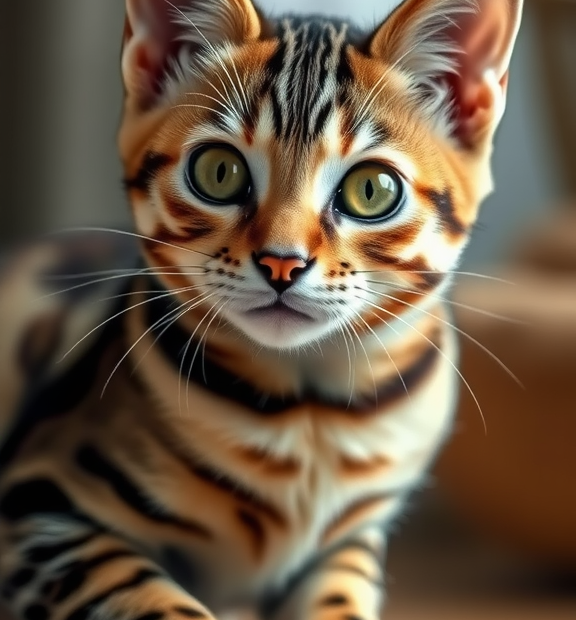
Why Bengal Cats Have Eat Problems and How to Recognize the Signs
Bengal cats are known for their stunning spotted coats and lively personalities. However, many Bengal owners notice that these cats often experience eating difficulties compared to other breeds. Understanding why Bengal cats have eat problems and how to recognize the signs early can help you provide the right care for your feline friend and avoid long-term health issues.
Understanding Bengal Cats’ Unique Dietary Needs
Bengal cats are active and muscular, with a metabolism that supports their energetic lifestyle. This means they tend to require higher protein levels and specific nutrients to maintain their health. Unlike many domesticated cats, Bengals are closer to wild cats in behavior, which influences their eating habits. Their dietary needs are quite specific, and failure to meet these can lead to eating problems.
Common Reasons Bengal Cats Experience Eating Difficulties
Several factors contribute to why Bengal cats might show signs of eating issues:
- Food Sensitivities and Allergies: Bengals are prone to certain food allergies and sensitivities, especially to grains, fillers, and artificial ingredients. These can cause digestive upset, resulting in a reluctance to eat.
- Strict Food Preferences: Some Bengals develop strong preferences for certain textures or flavors. If their food changes suddenly or doesn’t match their tastes, they may refuse to eat or eat much less.
- High Energy Demands: Due to their active nature, Bengals may become picky eaters if their food does not satisfy their nutritional and caloric needs, leading to hunger-driven stress.
- Stress and Environmental Changes: Bengals are sensitive to changes around them — relocation, new pets, or loud noises might cause anxiety, which in turn affects their appetite.
How to Spot Eating Problems in Your Bengal Cat
Recognizing early signs of eating difficulties helps you intervene promptly. Watch for the following behaviors:
- Decreased Food Intake: Notice if your Bengal shows less interest in food, eats smaller amounts, or skips meals altogether.
- Weight Loss or Poor Body Condition: Unexplained weight loss or a visible thinning of the body can indicate ongoing eating problems.
- Vomiting or Diarrhea: These can signal food intolerance or gastrointestinal issues, especially if they occur after meals.
- Excessive Drooling or Pawing at the Mouth: Signs of discomfort or oral pain that might reduce their willingness to eat.
- Changes in Behavior: Anxiety, hiding, or lethargy can correlate with appetite loss.
Why It’s Important to Address Bengal Cats’ Eating Issues Early
Bengal cats rely on a balanced diet to fuel their high activity levels and maintain their shiny coat and healthy skin. Prolonged eating problems can lead to serious health risks such as malnutrition, weakened immune systems, and even organ damage. By identifying and addressing these issues early, you can help prevent complications and ensure your Bengal enjoys a vibrant, healthy life.
What Your Bengal Cat Needs to Improve Eating Habits
Meeting a Bengal cat’s specific dietary needs involves several strategies:
- High-Quality Protein Diet: Choose cat food rich in animal-based proteins, avoiding fillers like corn or wheat that Bengal cats might react poorly to.
- Gradual Diet Changes: Bengals can be stubborn with new food. Introduce changes slowly to encourage acceptance and reduce stress.
- Consistent Feeding Schedule: Establish predictable mealtimes to create a routine that your cat can rely on.
- Fresh Water Availability: Always have clean, fresh water accessible to support digestion and hydration.
- Regular Vet Checkups: Consult your vet for dietary advice and to rule out medical causes of eating problems such as dental disease or gastrointestinal disorders.
Additional Tips to Support Your Bengal’s Eating Behavior
Besides what your Bengal eats, consider these helpful tips:
- Warm their food slightly to deepen the aroma and entice eating.
- Feed smaller, more frequent meals to accommodate their natural hunting and feeding instincts.
- Provide a calm, quiet eating environment to reduce distractions and stress.
- Offer wet food occasionally to increase moisture intake and vary texture.
By understanding why Bengal cats have eat problems and how to spot the warning signs, you can take proactive steps to improve their dietary habits. Remember, attentive care and a diet tailored to their unique needs make a big difference in your Bengal cat’s wellbeing and happiness.
Dietary Needs and Feeding Tips to Support a Healthy Bengal Cat
Understanding the Unique Dietary Requirements of Bengal Cats
Bengal cats are known for their striking appearance and energetic demeanor, but their diet needs special attention. Unlike typical domestic cats, Bengals have a more active metabolism and require a nutritious diet tailored to their unique physiology. When you choose the right food for a Bengal, you support their muscle development, energy levels, and overall health.
Bengal cats thrive on high-protein diets rich in animal-based ingredients. This is because cats are obligate carnivores, meaning their bodies depend on nutrients found mainly in meat. Protein helps maintain their sleek, muscular build and satisfies their natural hunting instincts. When feeding a Bengal, opt for premium cat foods where meat, like chicken, turkey, or fish, is the main ingredient.
Common Feeding Challenges Bengal Cats Face
Many Bengal cat owners notice that these felines sometimes develop eating problems. These issues can include picky eating, digestive sensitivity, or even sudden changes in appetite. Why do Bengal cats have eating problems? One reason is their heightened sense of smell and taste, making them more selective and prone to developing dislikes if their food isn’t fresh or palatable.
Another cause of eating problems could be food intolerances or allergies. Bengals often react negatively to grains, fillers, and artificial additives found in cheaper cat foods. This can cause symptoms such as upset stomach, vomiting, or diarrhea. If you notice such signs, it’s time to reconsider your Bengal’s diet choices and focus on high-quality, grain-free options.
Essential Nutrients Bengal Cats Need for Optimal Health
To keep your Bengal cat healthy and vibrant, their diet should include essential nutrients that support their unique needs. Here are some key nutrients to prioritize:
- Taurine: This amino acid is vital for heart and eye health. Ensure the diet includes sufficient taurine levels, usually through meat-based products.
- Omega-3 and Omega-6 Fatty Acids: These help maintain a healthy coat and skin, reducing shedding and irritation common in active Bengals.
- Protein: High-quality animal protein should make up 40-60% of their diet to fuel their energy and muscle tone.
- Vitamins and Minerals: Vitamins A, E, and B-complex, as well as minerals like zinc and phosphorus, support immune function and overall vitality.
- Water: Bengals require adequate hydration, so including wet food or plenty of fresh water is crucial to prevent urinary problems.
Practical Feeding Tips to Support Your Bengal’s Health
Feeding a Bengal cat takes a little extra care and planning, but the rewards are well worth it. Here’s how you can maximize your pet’s nutrition and avoid feeding issues:
Maintain a Consistent Feeding Schedule
Bengals do best on predictable routines. Feed your cat at the same times each day to regulate their appetite and digestion better. Avoid free-feeding since Bengals may overeat or become pickier when food is always available.
Choose Fresh and High-Quality Food
Select cat food brands that focus on natural ingredients without artificial preservatives or fillers. Freshness is key—avoid outdated or poor-quality foods that may upset your Bengal’s sensitive stomach.
Incorporate Wet Food
Bengals love moisture-rich meals, which can help with hydration and reduce risks of kidney or urinary tract problems. Mix wet food with dry kibble to encourage eating and provide variety.
Limit Treats and Table Scraps
Treats should be occasional and healthy. Avoid giving your Bengal scraps from the table, as many human foods can cause digestive issues or be toxic to cats.
Observe and Adapt to Preferences
Pay close attention to what flavors and textures your Bengal prefers, and don’t hesitate to adjust their diet accordingly. Bengals often enjoy small, frequent meals and may prefer pate-style or shredded food over chunky kibble.
When Feeding Problems Persist, Consult a Veterinarian
If your Bengal continues to have eating problems despite your best efforts, it’s important to seek professional advice. Feeding issues can sometimes signal underlying health conditions like dental issues, gastrointestinal problems, or stress-related behavior. A vet can recommend specialized diets, supplements, or tests to pinpoint and manage these concerns.
Summary: Meeting the Nutritional Demands of Your Bengal Cat
Your Bengal cat’s eating habits reflect their unique dietary needs. Providing a balanced, protein-rich diet that avoids fillers and allergens is crucial for maintaining their health. By following these feeding tips, such as feeding at consistent times, choosing fresh food, and incorporating moisture, you can support your Bengal’s vitality and happiness. Understanding why Bengal cats have eating problems helps you take proactive steps, ensuring your furry friend thrives for years to come.
Conclusion
Understanding why Bengal cats have eating problems and knowing how to recognize the signs are vital steps in ensuring their wellbeing. These beautiful, energetic cats are prone to specific feeding challenges, such as picky eating, digestive sensitivities, and even food allergies. By paying close attention to behaviors like sudden changes in appetite, vomiting, or diarrhea, you can catch potential problems early before they become serious.
Meeting the dietary needs of a Bengal cat requires a thoughtful approach. High-quality protein sources, balanced nutrition, and consistent feeding routines help support their active lifestyle and maintain digestive health. Offering a variety of well-prepared foods, along with plenty of fresh water, can encourage better eating habits and prevent frustration for both you and your feline friend. Avoiding fillers and artificial additives also reduces the risk of stomach upset.
By carefully observing your Bengal’s eating habits and providing a diet tailored to their unique needs, you create a foundation for a happy, healthy cat. These tips not only address current eating problems but also help you build a stronger bond based on trust and care. Remember, your attentiveness and willingness to adapt can make all the difference in supporting your Bengal cat’s optimal health and vibrant spirit.