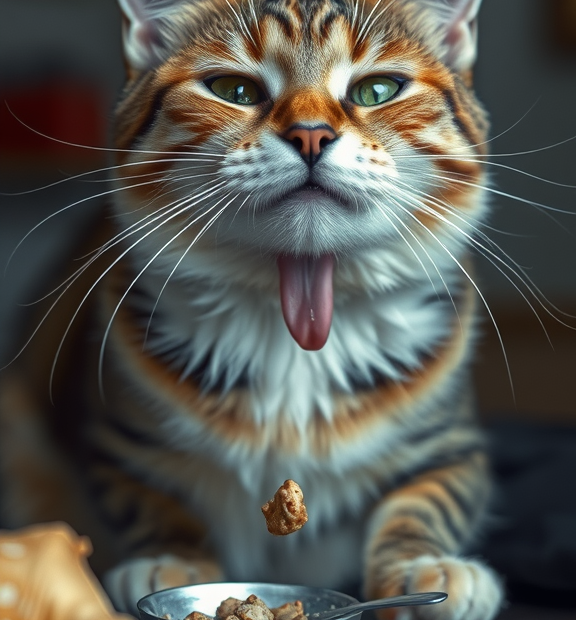
Understanding the Reasons Why Your Cat is Throwing Up Undigested Food
If you’ve ever found yourself cleaning up after your feline friend who has thrown up undigested food, you’re not alone. Many cat owners face this puzzling issue, and it often raises several questions. Understanding why your cat is throwing up undigested food can help you provide better care for your pet. Let’s explore the potential reasons behind this behavior.
Possible Reasons for Your Cat’s Vomiting
Cats may vomit undigested food for a variety of reasons. Here are some common culprits to consider:
- Eating Too Fast: One of the most common reasons for vomiting undigested food is that your cat is eating too quickly. When cats eat their food too fast, they tend to swallow not just the food but also a lot of air. This can lead to an upset stomach and cause them to throw up.
- Food Intolerance: Some cats may have a sensitivity or intolerance to certain ingredients in their food. If your cat has recently been switched to a new diet, this could be the cause. Monitor your cat’s reaction to the food and consider returning to their previous diet or trying a different one.
- Hairballs: Cats groom themselves frequently, and this can lead to hairballs, which may cause vomiting if they are unable to pass them. Although hairballs are a common issue, they can sometimes lead to vomiting undigested food, especially if the hairball is blocking the digestive tract.
- Medical Conditions: Persistent vomiting can often indicate a more serious underlying health issue. Conditions such as gastritis, pancreatitis, or gastrointestinal blockages can cause your cat to throw up undigested food. If this is happening frequently, it’s crucial to consult your veterinarian.
- Stress or Anxiety: Cats are sensitive creatures, and stress or anxiety can affect their eating habits. Any changes in their environment, such as moving to a new home, the introduction of a new pet, or other stress factors, could lead to vomiting.
Observing Your Cat’s Behavior
When your cat throws up undigested food, you should pay attention to any accompanying signs. Here are a few behaviors to watch for:
- Frequency: How often is your cat vomiting? Occasional vomiting may not be a concern, but regular occurrences might indicate a problem.
- Appetite Changes: Is your cat eating less or showing disinterest in food? A decrease in appetite can be a signal that something isn’t right.
- Weight Loss: Monitor your cat’s weight. Unexplained weight loss can be a serious sign that you should discuss with your veterinarian.
- Behavioral Changes: Notice if your cat seems lethargic, withdrawn, or unusually irritable. Changes in behavior can be important clues to underlying health issues.
What You Can Do
If you’re noticing that your cat is throwing up undigested food, here are some steps you can take:
- Slow Down Feeding: Use a slow feeder bowl or spread your cat’s food out on a flat surface to encourage them to eat slowly.
- Regular Vet Check-ups: Schedule regular check-ups with your veterinarian to keep track of your cat’s health.
- Consider Diet Changes: If you suspect food intolerance or allergies, consult your vet about changing your cat’s diet. They can recommend suitable food tailored to your cat’s needs.
- Reduce Stress: Create a calm environment for your cat. If there are stressors in the house, consider ways to minimize their impact.
- Hydration Matters: Ensure your cat has constant access to fresh water. Proper hydration can help ease digestive issues.
Understanding why your cat is throwing up undigested food can make a significant difference in their well-being. By being observant and proactive, you can help them lead a healthier, happier life. If you have concerns about your cat’s vomiting, don’t hesitate to reach out to your veterinarian. Their guidance will be invaluable in ensuring your pet remains healthy.
Identifying Solutions and Best Practices for Managing Your Cat’s Vomiting Issues
Dealing with a cat that throws up can be stressful and concerning for pet owners. You may find yourself asking, “Why is my cat throwing up undigested food?” Understanding the reasons behind this behavior is crucial for your cat’s health and your peace of mind. Often, there are easy solutions and best practices that can help manage and reduce vomiting incidents.
Common Causes of Vomiting Undigested Food
Before jumping to solutions, it’s essential to identify the underlying reasons your cat may be throwing up undigested food. Here are some common causes:
- Eating Too Quickly: Cats that eat their meals too fast may not have enough time to digest their food properly, leading to regurgitation.
- Dietary Changes: Sudden shifts in diet can upset your cat’s stomach, causing vomiting of undigested food.
- Hairballs: Especially in long-haired breeds, hairballs can cause vomiting as cats try to clear their digestive tract.
- Health Issues: Conditions like pancreatitis, gastrointestinal issues, or infections may also lead to vomiting.
- Ingesting Foreign Objects: If a cat swallows something it shouldn’t, this can lead to blockages and cause vomiting.
Implementing Best Practices for Feeding
To minimize the chances of your cat throwing up undigested food, consider these feeding best practices:
- Use Slow Feed Bowls: These specially designed bowls help slow down a cat’s eating pace, which can prevent vomiting.
- Small, Frequent Meals: Instead of one or two large meals a day, try feeding your cat smaller portions more frequently. This allows for better digestion.
- Consistent Diet: Stick to a specific brand and type of food and introduce any new food gradually over a week or two.
- Hydration is Key: Ensure your cat has fresh water available at all times, as dehydration can worsen vomiting.
Monitoring Your Cat’s Health
Aside from feeding practices, regularly monitor your cat’s overall health. Look for these signs to determine if further action is needed:
- Frequency of Vomiting: If your cat vomits more than once a week, it’s important to consult a veterinarian.
- Behavioral Changes: Look for any changes in your cat’s eating, drinking, or activity levels. This can indicate underlying health problems.
- Signs of Distress: Signs such as lethargy, diarrhea, or failure to groom should prompt a veterinary visit.
Consulting with Your Veterinarian
If regular monitoring and best practices do not alleviate the vomiting issue, consult your veterinarian. They may recommend:
- Diagnostic Tests: Blood tests, X-rays, or ultrasounds can identify potential health issues.
- Specialized Diets: Sometimes, your vet may suggest a diet designed to be gentler on your cat’s stomach.
- Medications: If there is an underlying health condition, medications may be prescribed to aid digestion or reduce nausea.
Permitting Time for Adjustment
Remember, changes to your cat’s eating habits may take time to yield results. After implementing best practices, allow a few weeks to see a significant improvement in your cat’s vomiting behavior. Each cat is unique, and what works for one may not work for another. Patience and attention to detail are key.
Creating a Calming Environment
Consider your cat’s environment. Stress can lead to various health issues, including digestive problems. Here are tips to create a calming atmosphere:
- Safe Spaces: Ensure your cat has quiet places to retreat to when feeling anxious.
- Limit Distractions: During meal times, minimize loud noises or disruptions to help your cat focus on eating.
- Engage in Play: Regular playtime can alleviate stress and create a healthier lifestyle overall.
By understanding the reasons behind vomiting and implementing proper feeding practices, monitoring health, and consulting your veterinarian, you can help your cat feel more comfortable and reduce those episodes of throwing up undigested food. This proactive approach not only ensures a healthier life for your furry friend but also gives you peace of mind as a responsible pet owner.
Conclusion
Dealing with a cat that throws up undigested food can be concerning for any pet owner. By understanding the reasons behind this behavior, you can better address the situation. Factors such as eating too quickly, dietary changes, or underlying health issues can contribute to your cat’s vomiting. Paying attention to these signs is crucial in maintaining your pet’s health.
Implementing specific solutions can significantly improve your cat’s well-being. Slowing down their eating with puzzle feeders or smaller, more frequent meals can help prevent vomiting. Additionally, choosing high-quality cat food that suits your pet’s unique dietary needs is essential. If you notice persistent vomiting, consulting your veterinarian is important. They can rule out any serious health issues and provide targeted advice tailored to your cat’s situation.
Regularly monitoring your cat’s eating habits, behavior, and overall health can empower you as a pet owner. By staying proactive, you can catch potential problems early and address them effectively. Remember, your cat’s comfort and health are a top priority. With the right approach and solutions in place, you can help your furry friend feel better and enjoy a happier, healthier life. Taking these steps not only supports your cat’s health but also strengthens the bond you share, ensuring many more joyful moments together.