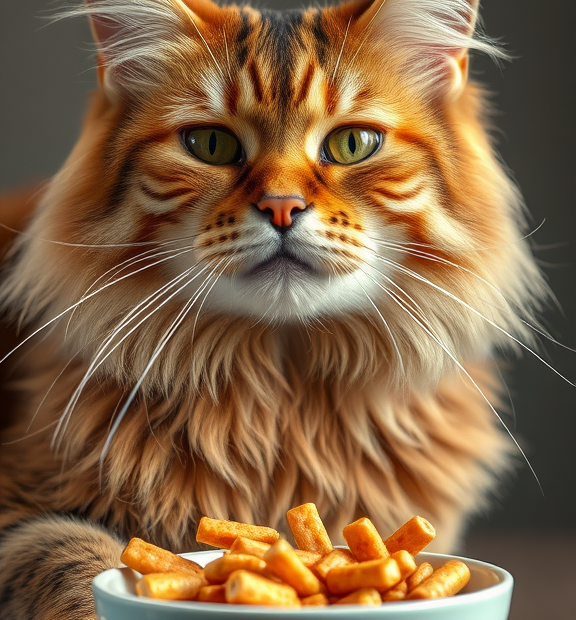
Understanding Why Maine Coons Might Refuse Food: Common Causes and Behavioral Insights
Maine Coons are known for their large size, gentle personalities, and glossy coats, making them a favorite among cat enthusiasts. However, just like any other feline, they may sometimes refuse food, leaving their owners puzzled and concerned. Understanding the reasons behind this behavior is essential to ensure your Maine Coon stays healthy and happy.
Common Medical Causes for Food Refusal in Maine Coons
When a Maine Coon suddenly stops eating or shows a consistent lack of interest in food, it is important to rule out any underlying health issues. Some common medical causes include:
- Dental Problems: Maine Coons can develop dental disease that causes pain when eating. Issues like gingivitis, broken teeth, or infections can make chewing uncomfortable.
- Gastrointestinal Issues: Conditions such as nausea, constipation, or an upset stomach often make cats avoid food temporarily.
- Respiratory Infections: Upper respiratory tract infections reduce the sense of smell, which directly impacts their appetite since cats rely heavily on scent.
- Kidney Disease or Liver Problems: These chronic illnesses frequently lead to reduced appetite and should be quickly addressed by veterinarians for ongoing care.
If your Maine Coon’s food refusal persists for more than 24-48 hours or is accompanied by other symptoms like vomiting or lethargy, it’s wise to consult your vet.
Environmental and Behavioral Factors Affecting Appetite
Aside from health problems, non-medical factors can also influence why your Maine Coon might refuse food:
- Stress and Anxiety: Changes in environment, the arrival of new pets, loud noises, or disruptions in routine can cause anxiety, leading Maine Coons to lose interest in eating.
- Food Preferences and Sensory Sensitivities: Maine Coons are known to be somewhat picky eaters; they may reject food that does not suit their taste or texture preferences.
- Feeding Location and Dish Type: Cats prefer clean, quiet, and familiar feeding areas. Using dirty bowls or placing food in high-traffic zones may discourage your cat from eating.
- Overfeeding or Frequent Treats: If your Maine Coon receives too many snacks, they might skip meals due to fullness or boredom with their regular diet.
- Inconsistent Feeding Times: Cats appreciate routine. Sudden changes in meal times can disrupt their appetite patterns.
How to Encourage Your Maine Coon to Eat Regularly
Addressing the root causes of food refusal and tweaking your cat’s environment can significantly improve their eating habits. Here are practical tips to help your Maine Coon enjoy their meals again:
- Schedule a Vet Check: Always start with a health check to rule out illnesses, especially if refusal lasts more than a day or two.
- Keep Feeding Areas Comfortable: Choose a quiet, low-traffic spot for meals. Use clean bowls made from materials cats tend to prefer, such as ceramic or stainless steel.
- Maintain a Consistent Routine: Feed your Maine Coon at the same times daily to encourage regular appetite cycles.
- Offer Appealing Food Choices: Experiment with wet and dry food textures, flavors with high protein content, or warming wet food slightly to enhance aroma. Maine Coons love rich, meaty flavors.
- Limit Treats: Reduce snacking to prevent spoiling their appetite for main meals.
- Reduce Stress: Keep your cat’s environment calm; introduce new pets or changes gradually and provide safe spaces for your Maine Coon to retreat and relax.
- Interactive Feeding: Use puzzle feeders or interactive toys during meal times to stimulate interest and natural hunting instincts.
Recognizing When to Seek Professional Help
While occasional picky eating is normal, persistent food refusal can lead to serious health issues such as hepatic lipidosis (fatty liver disease), which is dangerous for cats. Keep a close eye on your Maine Coon’s appetite and energy levels. If you note any additional signs like weight loss, vomiting, diarrhea, or behavioral changes, seek veterinary care immediately.
the reasons why a Maine Coon might refuse food can range from health problems to environmental and behavioral factors. By staying attentive to their needs and making thoughtful adjustments, you can help your cat maintain a healthy appetite and overall wellbeing.
Effective Strategies to Solve Maine Coon Eating Problems with Ease and Care
Understanding Why Maine Coons May Refuse Their Food
Maine Coons are known for their gentle nature and hearty appetites, so when they suddenly refuse food, it can be worrying for any pet owner. Refusal to eat isn’t always about being picky. It can signal underlying health issues, changes in the environment, or problems with the food itself. The first step to solving the eating problem with your Maine Coon is to identify the root cause.
Common reasons Maine Coons might refuse food include dental pain, digestive troubles, stress from changes in their routine, or even aging. Some may be sensitive to the type or texture of food. For example, they might reject dry kibble but happily eat wet food. Understanding these triggers helps you approach the problem with care and patience.
Behavioral and Environmental Factors to Consider
Sometimes, refusal to eat is linked to behavioral or environmental issues rather than physical health problems. Maine Coons are social and intelligent cats who thrive in calm, stable environments. If a new pet or family member has been introduced, or changes like moving home occur, your cat might feel uneasy.
Here are some environmental and behavioral factors to watch:
- New pets or other family members disrupting their safe space
- Loud noises or sudden changes in the home setting
- Feeding area location — too noisy or busy can deter mealtime
- Stress or boredom causing loss of appetite
- Owner’s inconsistent feeding schedule
Adjusting the feeding environment to be peaceful and stress-free can often jump-start your Maine Coon’s interest in eating again.
Health Issues That Impact Appetite in Maine Coons
Health problems often cause a loss of appetite in cats. Dental issues like gingivitis or tooth decay can make chewing painful and cause your Maine Coon to shy away from food. Other illnesses, such as kidney disease, gastrointestinal infections, or parasites, also reduce appetite.
Always keep a close eye on symptoms like vomiting, diarrhea, weight loss, or lethargy alongside food refusal. If you notice these signs or if your cat doesn’t eat for more than 24 hours, visit the vet. Early diagnosis and treatment are crucial to avoid serious complications.
How to Make Food More Appealing to Your Maine Coon
If your cat’s food refusal is mild and not related to illness, there are effective strategies to help. Maine Coons, being large and curious cats, often enjoy variety and enhanced flavors.
Try some of these approaches:
- Warm the Food Slightly: Warm foods release stronger aromas that entice cats to eat.
- Add Broth or Tuna Juice: Mixing a small amount of low-sodium chicken broth or tuna juice into their regular meals can boost flavor appeal.
- Offer a Variety of Textures: Sometimes cats prefer pate over chunks or vice versa. Experiment with wet food varieties.
- Feed Smaller, Frequent Meals: Smaller portions given more often can encourage eating without overwhelming your cat.
- Maintain a Consistent Feeding Schedule: Cats thrive on routine and knowing when to expect meals.
Encouraging Your Maine Coon to Eat Through Positive Experiences
Turning mealtime into a positive and stress-free experience is key. If your cat has had negative experiences related to eating (like stomach upset), they may become resistant even to beloved foods.
You can help rebuild trust by:
- Feeding in a Quiet Space: Choose a spot free from loud noises and distractions.
- Hand-Feeding Treats: Occasionally offering small bites by hand can rekindle interest in food and show comfort.
- Using Puzzle Feeders or Toys: Incorporate fun and physical activity into mealtime to stimulate appetite and reduce boredom.
- Avoiding Force-Feeding: This can increase anxiety and worsen refusal.
Patience is essential here; Maine Coons respond well to gentle encouragement and calm environments.
Monitoring and Adjusting Diet for Long-Term Success
As your Maine Coon’s appetite improves, stay attentive to any changes. Regularly evaluate their food preferences and nutritional needs, especially as they age or if health challenges arise. Providing high-quality, balanced meals formulated for large breed cats supports their unique metabolism and keeps them healthy.
If your Maine Coon repeatedly refuses food or shows erratic eating behaviors, consult with your vet or a feline nutrition expert. Sometimes tailored diets, supplements, or medications are needed to resolve eating issues.
By combining observation, patience, environmental tweaks, and small meal enhancements, you can solve your Maine Coon’s eating problems with ease while showing the care they deserve. Helping your cat regain their appetite not only improves their health but strengthens the bond you share.
Conclusion
Maine Coons are known for their gentle nature and hearty appetites, so when one suddenly refuses food, it can be concerning. Understanding why your Maine Coon might turn away from their meals is the first step to helping them regain their healthy eating habits. Whether it’s due to stress, changes in their environment, illness, or particular taste preferences, being attentive to these common causes can guide you toward the right solution.
Addressing the eating problem doesn’t have to be complicated. Simple, caring strategies such as offering fresh, high-quality food, maintaining a consistent feeding schedule, and ensuring their eating environment is calm can make a significant difference. Sometimes, introducing new flavors or textures gradually helps entice your cat back to their bowl. Remember to watch for any signs of health issues and consult a veterinarian if your Maine Coon continues to refuse food despite your efforts.
By combining your understanding of your cat’s behavior with gentle and practical feeding tactics, you can restore mealtime enjoyment for your Maine Coon. With patience and care, these cats typically bounce back quickly, ensuring they stay happy and nourished. Your attentive approach will not only solve the eating problem with ease but also strengthen the bond between you and your furry friend. Feeding your Maine Coon well is a great way to show love and keep them thriving.