Understanding Why Ragdoll Cats Need Special Diets to Stay Healthy
Unique Nutritional Requirements of Ragdoll Cats
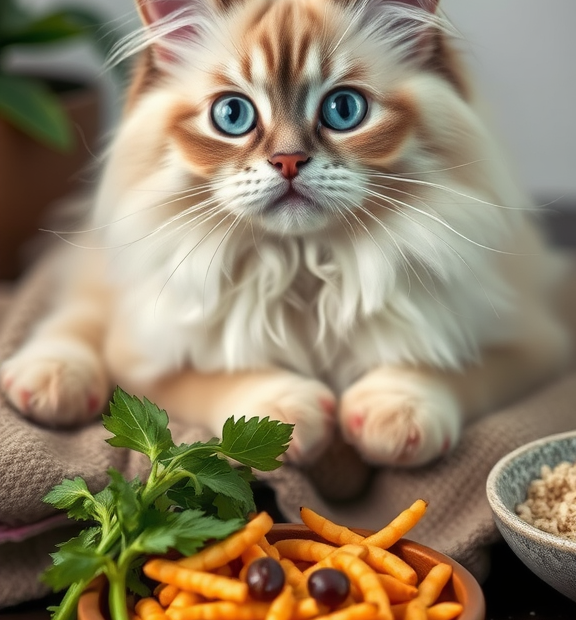
Ragdoll cats are known for their striking blue eyes, plush coats, and gentle personalities. However, what makes them stand out also influences their nutritional needs. These cats have a slower metabolism compared to some other breeds, which means they don’t burn calories as quickly. Because of this, feeding them the wrong diet can easily lead to weight gain and health issues.
Additionally, Ragdolls are prone to specific genetic health conditions like hypertrophic cardiomyopathy (HCM), a heart disease that can be managed or delayed with proper nutrition. Their coat quality and muscle maintenance also heavily rely on the right balance of nutrients.
Providing your Ragdoll with a specialized diet tailored to its unique physiology helps maintain a healthy weight, supports heart health, and preserves their signature silky fur. Feeding them the best food is not just about keeping them full; it’s about enhancing their overall quality of life.
Why Standard Cat Food May Not Be Enough
Many cat foods available on the market cater to the average feline. These formulas often lack the specific nutrients that Ragdoll cats require or contain ingredients that may contribute to weight gain or digestive issues.
For instance, common commercial cat foods can be high in carbohydrates, which are not ideal for Ragdolls. Their bodies are designed to thrive on protein and fat rather than carbs, so diets heavy in grains or fillers can cause unwanted fat accumulation and affect their energy levels. Over time, an improper diet can lead to obesity, diabetes, and other metabolic problems.
Another concern is the balance of essential fatty acids such as omega-3 and omega-6. These support coat health, reduce inflammation, and aid brain function. Generic diets often do not supply these in ratios beneficial to Ragdolls, which can result in dull fur and skin sensitivity.
Key Components of a Ragdoll Cat’s Diet
To ensure your Ragdoll stays healthy and active, their diet should focus on quality ingredients tailored for their breed’s needs:
- High-quality protein: Essential for muscle repair and energy, look for foods with real meat sources like chicken, turkey, or fish listed as the first ingredient.
- Controlled fat levels: Include healthy fats such as omega-3 and omega-6 fatty acids to promote a shiny coat and heart health.
- Low carbohydrate content: Minimize grains and fillers to prevent unnecessary weight gain and digestive discomfort.
- Balanced vitamins and minerals: Ingredients like taurine, vitamin E, and B vitamins support vision, immune function, and overall vitality.
- Hydration support: Wet or canned food with high moisture content can help prevent urinary tract issues, which Ragdolls can be prone to.
Role of Special Diets in Preventing Common Health Concerns
Ragdoll cats are known to have a delicate constitution in some respects, and their tendency toward certain diseases means preventive measures are vital. A well-designed diet plays a crucial role in controlling these risks.
One example is managing the risk of kidney disease by feeding diets low in phosphorus and protein amounts optimized for individual needs. Similarly, weight management diets with controlled calories prevent obesity, which can exacerbate joint problems and diabetes.
Because Ragdolls have a predisposition to heart issues like HCM, diets enriched with taurine and omega fatty acids can support cardiovascular health. Taurine is crucial as cats cannot produce enough on their own, and deficiency can lead to serious conditions.
Feeding Practices to Enhance Ragdoll Health
Aside from choosing the right food, how you feed your Ragdoll makes a significant difference in their wellbeing.
- Portion control: Measure meals carefully to avoid overfeeding and help maintain optimal weight.
- Consistent feeding schedule: Establish regular meal times to regulate metabolism and reduce begging or overeating.
- Fresh water availability: Always provide clean water to keep your Ragdoll hydrated and support kidney and urinary tract health.
- Gradual diet transitions: Introduce new foods slowly to prevent digestive upset and allow time to observe any adverse reactions.
Consulting with a Veterinarian for Tailored Nutrition
Every Ragdoll cat is individual, and their dietary needs may vary according to age, activity level, health status, and lifestyle. Working with a veterinarian or a pet nutritionist allows you to develop a personalized feeding plan.
Veterinary guidance helps identify underlying health conditions early and recommends supplements or special diets designed for the breed’s specific risks. Regular check-ups enable you to adjust feeding strategies as your Ragdoll grows or if health concerns arise.
Homemade Diets: Proceed With Caution
Some Ragdoll owners prefer preparing homemade meals to ensure absolute control over ingredients. While this can be beneficial, it requires careful balance to avoid nutritional gaps or excesses.
If you choose this route, consulting a veterinary nutritionist is a must. They can help create recipes that meet your Ragdoll’s precise nutritional needs, including necessary supplements, and ensure food safety.
Why Investing in the Right Food Matters
Choosing quality, breed-specific nutrition might seem like an added effort or expense. However, it contributes significantly to your Ragdoll’s health span and happiness.
A diet designed for Ragdolls supports:
- Longevity with fewer health complications
- Maintenance of a healthy weight to avoid stress on joints and organs
- Optimal energy levels suited to their calm but playful nature
- A thick, glossy coat which is also an indicator of good health
Ultimately, feeding your Ragdoll a special diet is one of the best ways to show love and care, ensuring your feline companion enjoys a vibrant, healthy life for many years.
Key Nutritional Components Essential for Ragdoll Cats’ Wellbeing
Ragdoll cats, known for their striking blue eyes and gentle temperament, require a precise balance of nutrients to maintain their health and vitality. Unlike many other breeds, Ragdolls face specific health challenges, such as a predisposition to hypertrophic cardiomyopathy (a form of heart disease) and joint issues. Ensuring their diet contains the right nutritional components can significantly reduce these risks and promote a long, happy life.
Proteins: The Foundation of Muscle and Tissue Health
High-quality protein is essential for all cats, but it’s particularly important for Ragdolls due to their muscular build and active nature. Protein supports muscle maintenance, repair, and overall tissue health. Since Ragdolls are obligate carnivores, their diet must include animal-based proteins like chicken, turkey, or fish. These proteins provide complete amino acids that cats cannot synthesize on their own.
Look for cat foods that list a named animal protein as the first ingredient. Avoid products with excessive fillers like corn or wheat, which offer minimal nutritional value and can contribute to weight gain. A protein content ranging from 30% to 40% is generally ideal for Ragdolls to keep their muscles strong and energy levels steady.
Fats: Vital for Energy and Skin Health
Fats are a concentrated energy source and help to keep a Ragdoll’s coat soft and shiny. Omega-3 and Omega-6 fatty acids, in particular, support skin health, reduce inflammation, and help prevent hairballs, which are common in this breed due to their long, dense fur. Salmon oil and flaxseed oil are excellent sources of these essential fatty acids.
A well-balanced fat content of about 15% to 20% in their diet promotes healthy cell function without encouraging excess weight gain. Avoid diets with unhealthy, artificial fats, often included in lower-grade cat foods.
Carbohydrates: Providing Digestive Support Without Excess
While cats don’t have a significant dietary need for carbohydrates, small amounts can help provide fiber and energy. For Ragdoll cats, complex carbs like sweet potatoes, pumpkin, and brown rice assist in digestion and promote healthy bowel movements. Fiber also helps manage hairballs, a frequent issue for long-haired breeds.
However, it is crucial to avoid diets high in simple carbohydrates like corn syrup or wheat gluten, which can spike blood sugar and lead to obesity. Ideally, carbohydrates should make up no more than 10% of a Ragdoll’s diet to maintain their optimal weight and energy balance.
Vitamins and Minerals: Supporting Immune Function and Bone Health
Micronutrients, including vitamins and minerals, play a supporting role in maintaining a Ragdoll’s immune system, bone strength, and overall wellbeing. Key vitamins such as vitamin A improve vision and skin condition, while vitamin E acts as an antioxidant protecting cells from damage.
Essential minerals like calcium and phosphorus are critical for bone density and joint health. Since Ragdolls can be prone to joint problems, a diet balanced in these minerals helps prevent conditions such as arthritis. Taurine, an amino acid crucial for heart and eye health, must also be present in sufficient amounts because cats cannot produce it internally.
Hydration: Often Overlooked but Crucial
Ragdoll cats often prefer water that is fresh and clean, so providing access to filtered water is important. Additionally, supplementing their diet with moisture-rich wet food can prevent urinary tract problems and kidney issues, both common concerns in cats.
Customizing the Diet for Age and Health Conditions
Adjusting the nutritional profile based on the cat’s age, activity level, and health status is also necessary. For instance, younger Ragdolls need more protein and calories to support their growth, while senior cats benefit from diets enriched with joint supplements like glucosamine and chondroitin.
If your Ragdoll has a diagnosed health issue such as kidney disease or food sensitivities, consulting a veterinarian for a specially formulated diet is essential. Tailored nutrition can make a significant difference in managing these conditions.
Key Takeaways to Remember:
- Quality protein: Supports muscle development and repair.
- Balanced fats: Promote skin, coat, and brain health.
- Limited complex carbs: Aid digestion while avoiding weight gain.
- Vitamins and minerals: Essential for immune system and bone strength.
- Hydration: Crucial for kidney and urinary tract health.
- Age and health-specific diets: Tailored nutrition ensures optimal wellbeing.
By understanding and prioritizing these nutritional components in your Ragdoll cat’s diet, you can help them thrive throughout their life. A thoughtful, balanced diet not only supports physical health but also contributes to their playful, affectionate demeanor that makes this breed so beloved. Ensuring your Ragdoll receives the right nutrients helps maintain their unique beauty and warmth for years to come.
Conclusion
Caring properly for your Ragdoll cat means paying close attention to their diet. These beautiful cats have unique nutritional needs that go beyond standard cat food. By understanding why Ragdolls require special diets, you can help ensure they live long, happy, and healthy lives. Their bodies thrive on certain key nutrients, including high-quality proteins, essential fatty acids, and vitamins that support their muscular build, silky coats, and overall vitality.
Feeding your Ragdoll the right balance of nutrients strengthens their immune system and helps prevent common health problems associated with this breed, such as obesity and joint issues. Providing a diet tailored to their needs not only fuels their playful and affectionate nature but also enhances their energy levels and supports healthy digestion.
When you choose foods rich in lean proteins and omega fatty acids, you help maintain their stunning appearance and promote healthy skin and fur. At the same time, essential vitamins and minerals keep their body systems functioning smoothly. To give your furry friend the best start, consulting your veterinarian about specialized diets is a wise step.
Ultimately, focusing on the right nutrition is one of the most important ways you can show your Ragdoll how much you care. A thoughtfully managed diet helps your cat feel its best every day, making your bond stronger and your home happier. By providing special diets designed for Ragdolls, you support not just their physical health but their joyful spirit as well.