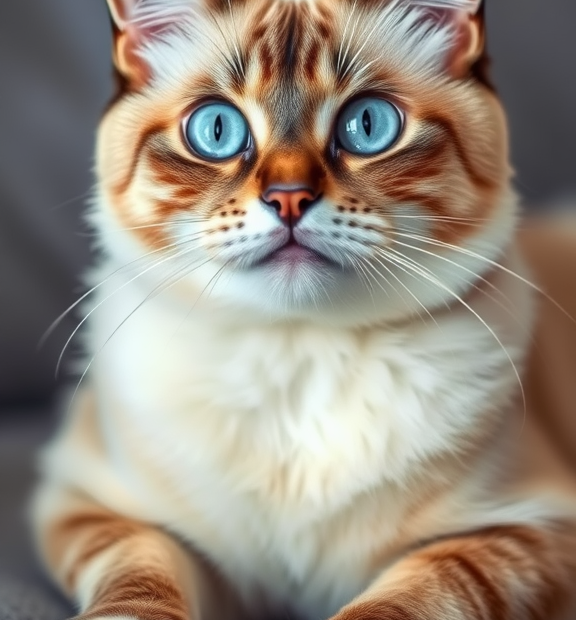
Understanding Why Your Floppy, Blue-Eyed Cat May Be Underweight
If you have a floppy, blue-eyed cat that appears underweight, you’re likely wondering what might be causing this and how to improve their health. Cats with unique physical features, like floppy ears or striking blue eyes, often attract extra attention, but their distinct appearance can sometimes mask underlying health concerns, such as being underweight. Understanding why your feline friend is struggling to maintain a healthy weight is key to helping them thrive.
Physical Traits and Their Role in Weight
Floppy ears and blue eyes in cats might be indicators of specific breeds or genetic traits. Some breeds like the Scottish Fold, known for their folded ears, have unique metabolic processes. However, these physical traits alone are rarely the cause of being underweight. Instead, they may coincide with other health factors since some genetic conditions can influence appetite, digestion, and overall metabolism.
The striking blue eyes, often found in breeds like Siamese, Ragdolls, or cats with white coats, may also carry genetic markers linked to certain health issues. These conditions can indirectly affect their weight by causing discomfort, illness, or inefficient nutrient absorption.
Common Causes of Underweight in Cats with Floppy Ears and Blue Eyes
Several factors can cause a cat with floppy ears and blue eyes to lose weight or fail to gain enough. Recognizing these issues early can prevent serious health complications:
- High Metabolism: Cats with active lifestyles or high metabolic rates burn calories quickly. If their food intake doesn’t match their energy expenditure, weight loss occurs.
- Dietary Deficiencies: Feeding cats poor-quality or inappropriate food lacking essential nutrients can lead to weight loss. Cats need a balanced diet rich in protein and fat.
- Parasites: Internal parasites like worms or external parasites such as fleas can cause weight loss by draining the cat’s nutrients and causing discomfort.
- Dental Problems: Issues with teeth or gums can make eating painful, leading to reduced food intake and gradual weight loss.
- Underlying Medical Conditions: Diabetes, hyperthyroidism, kidney disease, and gastrointestinal disorders are common medical reasons for unexplained weight loss in cats.
- Stress or Anxiety: Cats are sensitive creatures. Changes in their environment, new pets, loud noises, or lack of stimulation can affect their appetite and lead to weight loss.
Signs to Watch For in Your Cat
Understanding if your floppy, blue-eyed cat is truly underweight goes beyond eyeballing their size. Look for these signs to quickly spot problems:
- Visible Spine or Ribs: If you can see or easily feel your cat’s bones without much fat or muscle covering, they may be underweight.
- Reduced Energy Levels: An underweight cat might seem lethargic, preferring to rest rather than engage in playful activities.
- Poor Coat Condition: Dull, patchy, or flaky fur can indicate nutritional deficiencies or illnesses.
- Changes in Appetite: Sudden loss of interest in food is a red flag.
Steps to Help Your Cat Gain Weight Safely
If you suspect your floppy, blue-eyed cat is underweight, taking a proactive approach is crucial. Here are practical steps you can follow:
Consult Your Veterinarian
Before changing your cat’s diet or lifestyle, schedule a veterinary visit. Your vet can perform blood tests, parasite screenings, and other diagnostics to uncover health issues causing weight loss. Early diagnosis leads to better treatment results.
Provide High-Quality, Nutrient-Rich Food
Choose cat food that is formulated for weight gain or high energy needs. Look for products with:
- High protein content
- Healthy fats
- Limited fillers like corn or wheat
Wet food can also encourage eating in picky cats by enhancing aroma and texture.
Feed Small, Frequent Meals
Cats may eat better when given several small meals daily instead of one or two large portions. This approach helps improve digestion and stimulates appetite.
Manage Parasites and Dental Health
Regular parasite control with vet-recommended medications is vital. Also, maintain dental hygiene with appropriate toys or professional teeth cleanings, so eating remains pain-free.
Reduce Stress and Provide Enrichment
Create a calm, secure environment by minimizing loud noises and sudden changes. Offer enrichment through toys, scratching posts, and interactive play to encourage activity and stimulate appetite.
Monitoring Progress and Adjusting Care
Once you begin implementing these changes, keep a close eye on your cat’s weight and overall behavior. Use a consistent method to weigh your cat weekly, either at home with a pet scale or during vet visits. Track improvements in coat condition, energy, and appetite.
If your cat does not start gaining weight within a few weeks or shows other symptoms like vomiting, diarrhea, or severe lethargy, return to your vet for further evaluation.
Remember, patience is essential. Weight gain should be gradual to avoid health risks related to rapid nutritional changes. Your floppy, blue-eyed cat deserves careful attention and love to regain optimal health and enjoy a happy life.
Effective Steps to Help Your Underweight Cat Gain Healthy Weight
Identifying the Signs of an Underweight Cat
Noticing your cat is underweight can be concerning, especially if your floppy, blue-eyed feline companion seems less energetic or has a visible ribcage. A healthy cat should have a slight layer of fat covering their ribs and a defined waist when viewed from above. If you can easily feel their ribs or see their spine and hip bones, it’s time to take action. Underweight cats may also experience alopecia, lethargy, or changes in behavior, signaling an urgent need for nutritional support.
Understanding Why Your Cat May Be Underweight
There are many reasons a cat might struggle to maintain a healthy weight. These can include medical conditions, poor diet, stress, or environmental factors. Cats with floppy ears and striking blue eyes are often breeds like Siamese or Turkish Angora, which have high metabolisms and may burn energy quickly. It’s crucial to rule out health issues such as parasites, kidney disease, hyperthyroidism, diabetes, or dental problems with the help of a veterinarian before making dietary changes.
Steps to Encourage Healthy Weight Gain in Your Cat
1. Schedule a Veterinarian Checkup
Before starting any weight gain plan, book an appointment with your vet. A thorough checkup will help identify underlying illnesses or nutritional deficiencies that could contribute to your cat’s low weight. Blood tests, fecal exams, and dental checks are common assessments your vet may recommend to ensure your cat is in good health.
2. Choose High-Quality, Calorie-Dense Foods
Feeding your cat nutrient-rich, high-calorie foods is key to promoting weight gain. Look for wet or canned cat food labeled as “grain-free” or “high-protein,” which are easier to digest and often more appealing for cats. Wet food also helps with hydration and contains fats that support your cat’s energy needs. Adding small amounts of kitten formulas or supplements can introduce extra calories without overwhelming your cat’s system.
3. Increase Meal Frequency and Portions
Divide your cat’s daily food intake into smaller, more frequent meals. Feeding four to six times a day can stimulate appetite and improve digestion. Monitor portion sizes carefully, increasing them gradually to avoid digestive upset. Using puzzle feeders or hand feeding can also encourage your picky cat to eat more consistently.
4. Enhance Food Palatability
Flavor and aroma play an important role in enticing a cat to eat. You can warm the food slightly to release scents or mix in tasty toppers such as salmon oil, chicken broth, or shredded cooked meat. Remember to avoid adding ingredients that are toxic to cats, like onions or garlic. Experimenting with different textures—pâté, chunks in gravy, or shredded varieties—can also help find what your cat prefers.
5. Address Feeding Environment and Stress
Sometimes cats lose weight because of a stressful feeding environment. Provide a quiet, safe place where your cat can eat undisturbed. Ensure the food and water bowls are in a low-traffic area to minimize anxiety. Additionally, if you have multiple pets, feeding your cat separately might reduce competition and stress. Pay attention to your cat’s behavior during mealtime and adapt the environment as needed to encourage eating.
Supporting Your Cat’s Overall Health and Weight
Besides improving diet, boosting your cat’s overall health plays a vital role in restoring a healthy weight. Engage your floppy, blue-eyed cat in gentle play to stimulate appetite and maintain muscle mass. Regular grooming sessions help your cat feel comfortable and reduce stress, which can impact eating habits.
Consult Your Veterinarian About Supplements
Your vet may recommend supplements like omega-3 fatty acids, digestive enzymes, or probiotics to improve nutrient absorption and promote weight gain. Nutritional supplements should only be introduced under professional guidance to ensure safety and effectiveness for your cat’s specific needs.
Monitoring Progress and Maintaining Healthy Weight
Track your cat’s weight weekly, noting changes and any reactions to diet adjustments. Keep a journal of feeding times, portions, and types of food offered. Consistent monitoring allows you to spot improvements or setbacks quickly and make timely decisions in consultation with your veterinarian.
Remember, healthy weight gain should be gradual to avoid overloading your cat’s system. Aim for a steady increase of about 1 to 2 ounces per week, depending on your cat’s size and condition. Patience and persistence, combined with veterinary support, can help your floppy, blue-eyed cat achieve and maintain a vibrant, healthy weight.
Conclusion
Recognizing why your floppy, blue-eyed cat may be underweight is the first step toward helping them thrive. Cats with distinct features like floppy ears and striking blue eyes might face unique health challenges that affect their weight and overall well-being. Factors such as underlying health conditions, dietary issues, stress, or parasites can cause your feline friend to lose or fail to gain weight. By observing these signs closely and consulting a veterinarian, you can identify the root cause and take action quickly.
Helping your underweight cat gain healthy weight involves a balanced approach tailored to their specific needs. Providing nutrient-rich, palatable food and ensuring regular feeding times encourages better food intake. Sometimes, supplements or prescription diets recommended by your vet can make a significant difference. Creating a calm and safe environment helps reduce stress, which can impact a cat’s appetite. Regular vet visits to monitor progress and adjust care are essential to ensure your cat gains weight safely without underlying issues being overlooked.
Ultimately, your attentive care and timely intervention can transform your floppy, blue-eyed cat’s health and happiness. By understanding their unique challenges and using effective strategies to support healthy weight gain, you provide your feline companion the foundation for a lively, joyful life. Watching your beloved cat regain strength and vibrant energy is one of the most rewarding outcomes of your dedication and love. Your cat depends on you, and with the right knowledge and action, you’ll help them flourish like never before.