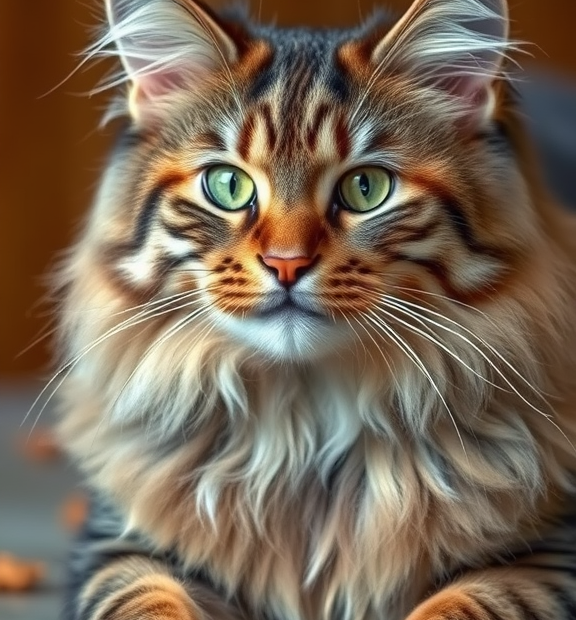
Understanding Why Your Maine Coon Has a Cat Eat Problem
Maine Coons are one of the most beloved cat breeds, known for their majestic size, fluffy tails, and affectionate nature. But if you’ve noticed that your Maine Coon has what many call a “cat eat problem,” you might be wondering why this happens and what you can do about it naturally. This issue can mean several things — from overeating and begging for food constantly to picky eating habits or even digging into non-food items. Understanding the root cause is the first step to helping your feline friend live a happier, healthier life.
What Does a Cat Eat Problem Look Like in Maine Coons?
When we talk about a “cat eat problem,” it’s more than just regular feeding behaviors. You might observe:
- Overeating or begging frequently: Your Maine Coon may constantly paw at you or vocalize during mealtimes, seeming unsatisfied even after eating.
- Harsh food preferences: Ignoring certain types of food, eating only one kind, or turning nose up at meals.
- Pica behavior: Chewing or eating non-food objects like fabric, plastic, or plants.
These actions confuse many cat owners but are often signs that your Maine Coon’s dietary or environmental needs aren’t being fully met.
Why Does Your Maine Coon Exhibit These Eating Challenges?
Various factors contribute to eating problems in Maine Coons. While each cat is unique, common reasons include:
- High energy and metabolism: Maine Coons are large, active cats that sometimes require more calories. If their food intake or quality doesn’t meet energy demands, they may overeat or beg.
- Health concerns: Parasites, diabetes, or hyperthyroidism can lead to increased hunger and unusual eating habits.
- Boredom and stress: These cats are social and intelligent. Without mental stimulation or company, they may develop eating quirks as coping mechanisms.
- Improper diet balance: Feeding low-quality food or an unbalanced diet can cause nutrient deficiencies or dissatisfaction.
- Competition or anxiety: Multi-cat households sometimes trigger food guarding behavior or overeating out of stress.
Natural Ways to Fix Your Maine Coon’s Eating Issues
Before rushing to medications or drastic measures, there are gentle, natural approaches to help your Maine Coon develop healthy eating habits:
1. Choose Proper Nutrition
Invest in high-quality, protein-rich cat food suited especially for large breeds. Look for formulas containing real meat, balanced fats, and essential vitamins. Maine Coons benefit from diets that support muscle development and skin health. Consult your vet for recommendations tailored to your cat’s age and lifestyle.
2. Establish Routine Feeding Times
Cats thrive on routine, so offer meals at scheduled times rather than free-feeding. This helps regulate appetite and reduces overeating driven by anxiety or boredom. Stick to portion sizes recommended on the packaging or as suggested by your vet.
3. Use Enrichment and Play to Reduce Boredom
Mental stimulation is key for preventing eating out of boredom. Spend time daily engaging your Maine Coon with interactive toys, puzzles, or training sessions. Consider safe window perches for outdoor viewing or additional feline companions to fulfill social needs.
4. Monitor and Eliminate Stressors
Analyze your home environment for any stress triggers, such as loud noises or disruption in routine. Help your cat feel secure by providing cozy, quiet resting spaces and consistent interaction.
5. Encourage Natural Hunting Instincts
Simulate hunting behavior by using treat dispensing toys or “hunt and feed” activities that make mealtime interactive. This can slow down rapid eating and provide mental challenge.
6. Keep Safe Plants or Offer Herbal Remedies
Some Maine Coon cats nibble on plants instinctively. Providing non-toxic cat grass or catnip can satisfy these cravings healthily. Avoid toxic household plants if your cat has a tendency for chewing unusual items.
When to Seek Veterinary Advice
If your Maine Coon’s eating problems persist despite natural interventions, it’s essential to consult a vet. Sudden changes in appetite, excessive hunger, weight loss, or abnormal behaviors may indicate underlying illnesses. A vet can run appropriate tests and develop a medical and nutritional plan.
Caring for a Maine Coon means understanding their unique needs. By recognizing why your cat has a cat eat problem and addressing it naturally, you ensure they enjoy their meals, stay healthy, and thrive in your loving home.
Natural and Effective Ways to Fix Your Maine Coon’s Eating Issues
Maine Coon cats are known for their majestic size, fluffy coats, and affectionate personalities. However, one common concern among owners is when their gentle giants develop eating issues. These problems can range from picky eating habits to slow or irregular eating patterns, which may lead to nutritional deficiencies or health complications if not addressed. Understanding why your Maine Coon might have a cat eat problem is the first step toward helping them regain a healthy appetite and proper nutrition.
Signs Your Maine Coon Has Eating Issues
Identifying eating problems early is key to preventing more serious health concerns. Keep an eye out for these signs:
- Refusing food or eating very little over several days
- Excessive drooling or pawing at the mouth
- Weight loss or muscle wasting despite normal activity
- Vomiting or coughing up food shortly after eating
- Change in food preferences or sudden pickiness
- Eating too fast and then vomiting
Recognizing these behaviors can help you take timely action to improve your Maine Coon’s eating habits naturally.
Common Causes Behind Eating Problems in Maine Coons
Several factors can contribute to difficulty or reluctance when it comes to eating:
Dental and Oral Health Issues
Dental diseases such as gingivitis, tooth decay, or broken teeth can cause pain while chewing, leading your cat to avoid food or eat cautiously. Regular dental checkups are crucial for preventing these issues.
Stress and Anxiety
Maine Coons are sensitive animals that can be affected by changes in their environment. A new pet, moving homes, or loud noises might make them anxious, which in turn reduces their appetite.
Unbalanced or Unappealing Diet
Offering food that does not meet their nutritional needs or does not entice their palate can lead to eating problems. Maine Coons often prefer rich, high-protein meals due to their large size and energy demands.
Underlying Health Conditions
Issues like kidney disease, gastrointestinal disorders, or infections might reduce appetite. If eating problems persist, consult your vet to rule out medical causes.
Natural Ways to Encourage Healthy Eating Habits
When your Maine Coon shows signs of a cat eat problem, trying natural remedies can often help restore their interest in food without relying on pharmaceuticals.
Enhance Food Appeal
Warm up your cat’s food slightly to release aromas that entice them. Adding natural broth (without onion or garlic) or sprinkling small amounts of freeze-dried tuna flakes can make meals irresistible.
Create a Calm Feeding Environment
Place the food bowl in a quiet, comfortable area free from distractions or loud noises. Sometimes, separating feeding areas if you have multiple pets can reduce anxiety during mealtimes.
Use Puzzle Feeders
Puzzle feeders stimulate your Maine Coon mentally and physically. Slow feeding can reduce gulping and vomiting while encouraging natural hunting behaviors.
Stick to a Feeding Schedule
Consistent meal timings help train your feline’s metabolism and appetite. Feeding small, frequent meals rather than one large meal per day can prevent overwhelm and increase feeding success.
Incorporate Natural Supplements
Adding small amounts of omega-3 fatty acids from fish oil, or probiotics suitable for cats, may improve digestion and inflammation, leading to more comfortable eating experiences.
Monitoring Progress and When to Consult Professionals
Track your Maine Coon’s eating patterns daily by noting the amount consumed, behavioral changes, and litter box habits. Improved appetite, energy levels, and hydration generally indicate positive changes.
If problems last longer than a week or your cat shows signs of distress, a veterinary visit is necessary. Vets can perform diagnostic tests and recommend treatments tailored to your Maine Coon’s needs.
Keep Your Maine Coon Happy and Healthy
Remember, patience and observation are vital when addressing eating problems. For your Maine Coon, a natural approach—focusing on environment, diet quality, and mental stimulation—is often enough to correct minor cat eat problems. By making small adjustments and providing attentive care, you will support their health and happiness for many years to come.
Conclusion
Dealing with a cat eat problem in your Maine Coon can be challenging, but gaining a clear understanding of why it happens is the first step to helping your furry friend. These gentle giants often face eating issues rooted in health, behavior, or environmental factors. By observing your Maine Coon’s habits and recognizing signs of distress, missing nutrients, or stress-related behaviors, you can start addressing the root cause more confidently.
Adopting natural and effective strategies is a gentle way to encourage healthier eating patterns. Simple changes such as improving the quality of their diet with nutrient-rich, balanced food, ensuring regular feeding schedules, and creating a calm, inviting mealtime environment can make a big difference. Offering fresh, organic treats or incorporating natural supplements, like omega-3 fatty acids or certain herbal supports, can also support digestion and appetite naturally. Moreover, engaging your Maine Coon in interactive feeding methods or puzzle feeders can stimulate mental and physical activity while improving food intake.
Remember, patience and consistency are key to resolving eating problems. Avoid harsh enforcement or quick fixes that may stress your cat further. Instead, focus on providing a holistic routine that promotes well-being and trust. By understanding the unique needs of your Maine Coon and implementing these natural fixes, you’re setting the stage for a happier, healthier pet who enjoys mealtime and thrives every day.