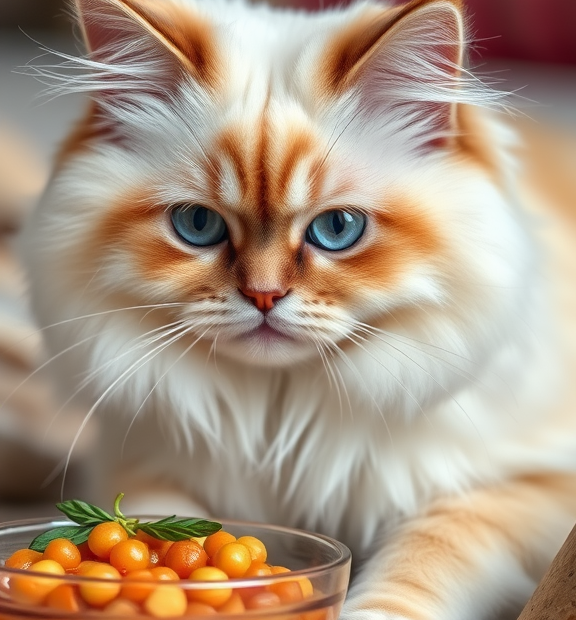
Understanding Why Your Ragdoll Cat Isn’t Eating Enough: Common Causes and Symptoms
Signs Your Ragdoll Cat Is Not Eating Enough
You may notice your Ragdoll cat showing less interest in their meals or completely ignoring food. This change can come with other warning signs such as lethargy, weight loss, or changes in behavior. If your cat is consistently leaving food uneaten, refusing treats, or only nibbling small amounts, these are all indications that something might be wrong. Monitoring your cat closely and documenting these symptoms can help identify the underlying cause.
Common Reasons Behind Reduced Appetite in Ragdoll Cats
There are several reasons why your Ragdoll might not be eating enough. Understanding these causes can help you find the right solution quickly.
1. Health Issues
Illness is a frequent cause of decreased appetite in cats. It could be related to:
- Dental Problems: Dental pain from gingivitis, tooth decay, or abscesses can make chewing uncomfortable.
- Gastrointestinal Issues: Upset stomach, infections, or parasites can reduce your cat’s desire for food.
- Kidney Disease or Liver Problems: Chronic illnesses affect metabolism and appetite.
- Infections: Viral or bacterial infections often cause lethargy and reduced eating.
If you notice your cat is also vomiting, drooling, or showing signs of distress, a vet visit is critical.
2. Stress and Environmental Changes
Ragdolls are known for their calm and affectionate nature, but sudden changes in their environment can stress them out. This stress often leads to decreased eating. Common stressors include:
- New pets or family members
- Relocation to a new home
- Loud noises or construction nearby
- Changes in routine or diet
Creating a calm, secure environment and giving your cat extra affection can reduce stress-related appetite loss.
3. Food Preferences and Palatability
Sometimes, your Ragdoll simply doesn’t like what they’re being fed. Cats can be picky about:
- Textures (wet food vs. dry kibble)
- Flavors (chicken, fish, beef, etc.)
- Temperature (room temperature food is often preferred)
Experimenting with different types of high-quality cat food can help stimulate their interest in eating.
4. Aging and Changes in Metabolism
As cats age, their metabolism slows, which can cause a decrease in appetite. Senior cats may need specialized diets or smaller, more frequent meals to maintain nutritional intake.
Signs that Warrant Immediate Veterinary Care
If your Ragdoll cat’s lack of appetite lasts more than 24 to 48 hours or is accompanied by symptoms like:
- Frequent vomiting or diarrhea
- Sudden weight loss
- Excessive drooling or difficulty swallowing
- Unusual lethargy or hiding behavior
It’s important to seek veterinary advice immediately. Early treatment can prevent complications and improve recovery.
Simple Steps to Encourage Your Ragdoll Cat to Eat
If your cat isn’t eating enough, you don’t have to wait passively. Try these approaches to encourage better eating habits:
- Offer Small, Frequent Meals: Smaller portions throughout the day can be less overwhelming and easier to eat.
- Warm the Food Slightly: Heating wet food to body temperature can enhance its aroma, making it more appealing.
- Change Food Types: Introduce new flavors or textures gradually to avoid digestive upset.
- Ensure Fresh Water: Hydration is essential, especially if your cat eats dry food.
- Maintain a Quiet Feeding Area: A calm, safe spot away from loud noises or high traffic helps your cat feel comfortable eating.
- Remove Unwanted Stressors: Minimize environmental changes or distractions during meal times.
Monitoring Your Cat’s Eating Pattern for Long-Term Health
Keeping a daily log of how much your Ragdoll eats and drinks can reveal trends and help your vet make an informed diagnosis. Note any changes in appetite, weight, and behavior and report these during veterinary visits. Regular checkups are essential to catch hidden health problems before they worsen.
Key Tips To Remember
- Ragdoll cats’ appetites can fluctuate, but prolonged loss of interest in food is a warning sign.
- Health issues and behavioral factors are the most common reasons behind poor eating.
- Always respond promptly to symptoms like vomiting, lethargy, or weight loss.
- Work closely with your veterinarian for diagnosis and treatment if your cat isn’t eating well.
- Ensure a peaceful feeding routine and offer enticing food choices to keep your cat interested.
By understanding why your Ragdoll cat isn’t eating enough and taking active steps to address the issue, you can protect their health and keep them happy for years to come. Your attentive care makes all the difference in ensuring your feline friend thrives.
Practical Steps to Encourage Healthy Eating Habits in Your Ragdoll Cat
Understanding Your Ragdoll Cat’s Eating Preferences
Ragdoll cats are known for their gentle nature and unique personalities, which extend into their eating habits. If your ragdoll isn’t eating enough, it might be because the food offered doesn’t appeal to its particular palate or texture preferences. You can begin by observing which types of foods your cat prefers, whether it’s wet food, dry kibble, or a mix of both. Some ragdolls favor a certain flavor profile, such as chicken, fish, or turkey, and eating habits can improve once you find the right match.
It’s also important to offer fresh food regularly since cats can be sensitive to stale or unappetizing meals. Ensuring the food is at room temperature or slightly warmed may stimulate your ragdoll’s appetite, as cold food straight from the fridge can be off-putting.
Creating a Comfortable Feeding Environment
A ragdoll cat’s environment can significantly impact its willingness to eat. These cats thrive in calm, low-stress settings. Try setting up a quiet feeding spot away from loud noises, other pets, and high-traffic areas. This peaceful environment helps your cat feel safe and more inclined to eat.
Additionally, using clean bowls that are easy for your ragdoll to access will make mealtime more inviting. Some cats dislike noisy or slippery bowls, so choosing ceramic or stainless steel dishes can prevent discomfort while eating. Positioning the food bowl away from the litter box is also essential since cats generally avoid eating where they eliminate.
Establishing a Consistent Feeding Schedule
Cats, including ragdolls, respond well to routine. Feeding your cat at the same times every day encourages healthy eating habits and helps regulate their digestive system. You might start with two or three small meals daily rather than leaving food out all day. Scheduled feeding times create a sense of anticipation and can boost your ragdoll’s appetite.
Monitoring how much your ragdoll eats at each meal allows you to detect any changes in appetite early, which is crucial for catching health problems before they escalate.
Interactive Feeding Methods
Ragdolls enjoy mental stimulation as much as physical comfort. Interactive feeding toys or puzzle feeders can make mealtime fun and engaging. These tools slow down the eating process and encourage your cat to use its natural hunting instincts, which can increase interest in food.
Some cats lose their appetite due to boredom with their feeding routine. Changing the way your ragdoll accesses its food might reawaken its enthusiasm and encourage better eating habits.
Ensuring Nutritional Balance and Palatability
A balanced diet is the foundation of healthy eating habits. Consult with your veterinarian to select foods that meet your ragdoll’s specific nutritional needs, considering factors like age, weight, and activity level. Some ragdolls may benefit from high-quality wet food, which offers increased moisture and palatability.
Avoid switching food brands abruptly as it can cause digestive upset or refusal to eat. If you decide to change your ragdoll’s food, do it gradually over a week by mixing increasing amounts of the new food with the old. Gradual transitions help your cat adjust without losing appetite.
Maintaining Your Ragdoll’s Health for Better Appetite
A ragdoll’s refusal to eat often signals an underlying health issue. Regular veterinary check-ups are essential to rule out dental problems, digestive disorders, or infections that may reduce eating. Early detection of illness ensures prompt treatment, allowing your cat to return to normal eating habits quickly.
Sometimes, oral health problems like gingivitis or tooth decay can cause pain when eating, prompting your cat to eat less. Regular dental care, including professional cleanings and at-home brushing when possible, supports overall eating comfort.
Encouraging Hydration Alongside Eating
Proper hydration complements healthy eating. Ragdolls are prone to urinary issues, which makes drinking enough water critical. To encourage fluid intake alongside meals, provide fresh water in multiple locations and consider using water fountains that attract cats with moving water.
Including wet food in your ragdoll’s diet also boosts hydration levels, which contributes to overall well-being and appetite regulation.
Positive Reinforcement and Patience
Positive reinforcement can encourage your ragdoll to develop healthy eating habits. Praise your cat or offer gentle petting when it shows interest in food. Avoid pressuring your ragdoll to eat, as stress and negative associations can worsen appetite problems.
Patience is key. Changes in eating behavior may take days or weeks to improve, so consistent effort and observation will lead to the best results for your furry friend.
Practical Reminder List
- Observe and cater to your ragdoll’s food preferences and textures.
- Create a quiet, safe, and clean feeding area away from distractions.
- Establish consistent, scheduled feeding times.
- Use interactive feeders to add stimulation and slow down eating.
- Ensure gradual food transitions to avoid digestive upset.
- Keep regular veterinary check-ups to monitor health.
- Support hydration through fresh water and wet food options.
- Use positive reinforcement and remain patient throughout the process.
By applying these practical steps, you can encourage your ragdoll cat to enjoy a healthy diet, feel secure at mealtime, and maintain the well-being that makes Ragdolls such cherished companions.
Conclusion
Watching your Ragdoll cat eat less than usual can be worrying, but understanding the common reasons behind this change helps you respond effectively. Whether it’s due to stress, illness, changes in environment, or dietary preferences, identifying the root cause is the first step to ensuring your cat returns to a healthy eating routine. Recognizing symptoms like lethargy, hiding, or vomiting can signal when it’s time to seek veterinary advice.
Taking practical steps at home can make a significant difference. Offering fresh, appealing food in a quiet setting, maintaining a consistent feeding schedule, and trying various textures or flavors can encourage your Ragdoll to eat more willingly. Providing plenty of fresh water and ensuring a comfortable, stress-free environment also support better appetite. Remember, patience and observation are key as you gently guide your cat back to healthy eating habits.
By paying close attention to your Ragdoll’s behavior and preferences, you create a foundation for long-term health and happiness. Feeding your cat should be a positive experience, and with the right care and adjustments, you can help your furry companion enjoy their meals and stay vibrant for years to come. If appetite issues persist, consulting a veterinarian ensures your cat receives the best possible care tailored to their needs.