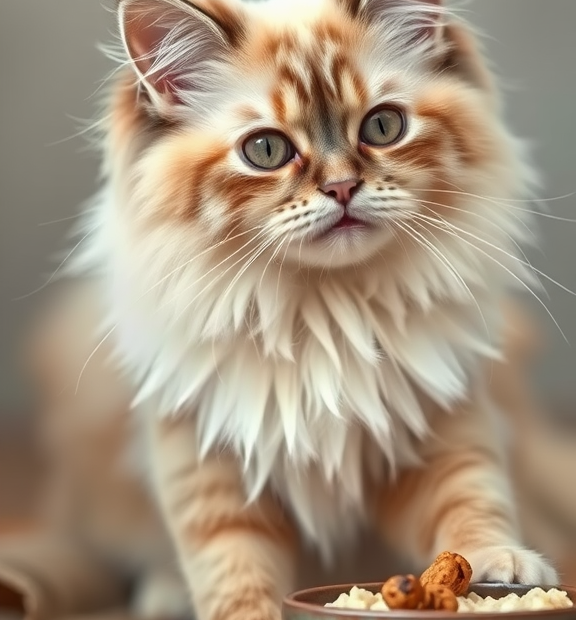
Why Your Ragdoll Has a Cat Eat Problem: Understanding the Causes
Common Reasons Behind a Ragdoll’s Eating Behavior Issues
Ragdolls are known for their gentle temperament and striking looks, but sometimes, their eating habits can become a concern for cat owners. If you notice your Ragdoll struggling with eating — whether it’s picky eating, sudden loss of appetite, or unusual eating patterns — it helps to understand the root causes before attempting any fixes. Several factors can influence why your Ragdoll has a cat eat problem, ranging from health issues to environmental factors.
Health-Related Causes
The most pressing reasons why a Ragdoll might refuse food or show irregular eating behavior often tie back to health problems. Cats are subtle in hiding pain or discomfort, so pay close attention if there’s a change.
- Dental Issues: Tooth decay, gingivitis, or broken teeth can make eating painful. Your Ragdoll may avoid food or eat only soft food in this case.
- Digestive Problems: Conditions like gastritis, intestinal parasites, or food allergies may cause nausea and discomfort after eating, leading to aversion.
- Illness or Infection: Viral or bacterial infections can reduce appetite. Cats with fever or respiratory illnesses often lose their desire to eat.
- Kidney or Liver Disease: Chronic issues affect metabolism and appetite regulation, sometimes causing persistent eating issues.
Regular check-ups with your veterinary professional can help identify or rule out these medical concerns early.
Environmental and Emotional Influences
Aside from physical causes, your Ragdoll’s eating habits might change due to environmental or emotional stressors. Cats are creatures of habit and thrive in stable surroundings.
- Changes in Routine: Moving to a new home, new family members, or a change in daily routines can upset your cat and reduce appetite.
- Stress or Anxiety: Loud noises, unfamiliar visitors, or other pet introductions can stress your Ragdoll, which affects eating.
- Food Preference Shifts: Cats, including Ragdolls, can become finicky. If you suddenly change their food brand, flavor, or texture, they might reject their meals.
- Improper Feeding Setup: Location and cleanliness of feeding areas matter. Cats generally prefer quiet, clean spots free from disturbances.
Nutrition-Related Issues That Cause Eating Problems
Feeding your Ragdoll a diet that doesn’t meet their specific nutritional needs can also affect how they eat. Here are some common related issues:
- Inappropriate Food Type: Ragdolls have sensitive digestive systems that flourish on high-quality protein. Feeding them low-grade food or non-specific diets can cause reduced appetite.
- Lack of Variety: Offering the same flavor and texture daily may cause boredom, leading to refusal to eat.
- Overfeeding Snacks or Treats: Excessive treats can reduce overall meal intake, disrupting balanced nutrition.
Behavioral Factors Affecting Your Ragdoll’s Eating
Eating problems might not just be physical or emotional but also linked to behavior. Understanding your Ragdoll’s natural tendencies can shine light on eating troubles.
- Attention Seeking: Sometimes, cats may avoid eating to get your attention or indicate a need.
- Dominance and Food Guarding: If there are multiple pets, your Ragdoll might feel stressed about food safety or dominance, affecting eating habits.
- Feeding Time and Schedule: Irregular feeding times confuse cats. They thrive on routine for optimal digestion and eating.
Signs to Watch For
Identifying a cat eating problem early can prevent severe consequences. Note if your Ragdoll exhibits:
- Refusal to eat for more than 24 hours
- Spitting out food or chewing difficulties
- Sudden weight loss or gain
- Excessive drooling or pawing at the mouth
- Frequent vomiting or diarrhea after eating
- Behavioral changes such as hiding or increased irritability
Being vigilant about these signs empowers you to take action early.
Preventive Measures to Maintain Healthy Eating Patterns
Once you understand why your Ragdoll may have eat problems, it’s easier to create a nurturing environment that supports healthy feeding habits.
- Regular Vet Visits: Routine health checks ensure early identification of issues.
- Maintain Feeding Routine: Offer meals at consistent times in the same quiet, clean spot.
- Provide Balanced Nutrition: Choose high-quality cat food designed for Ragdolls or cats of similar physiology.
- Introduce New Foods Gradually: Avoid sudden changes that may upset their palate.
- Minimize Stressors: Keep feeding areas calm, and maintain a peaceful home environment.
Gentle Fixes That Really Help Improve Your Ragdoll’s Eating Habits
Understanding Your Ragdoll’s Eating Challenges
Ragdolls are known for their gentle, laid-back personalities, but when it comes to eating, some can develop habits that puzzle their owners. If you notice your Ragdoll has a picky appetite, eats too fast, or seems disinterested in food, it’s worth exploring why these issues occur. Understanding the root causes is the first step toward helping your furry friend enjoy mealtime more and maintain a healthy diet.
Many Ragdolls can develop eating problems due to boredom, stress, or medical conditions. Additionally, their natural curiosity sometimes leads them to refuse certain foods or eat inconsistently. As a pet owner, your goal is to create a calm, inviting mealtime environment and gently guide your cat back to balanced eating habits without stress.
Common Reasons Behind Feeding Problems in Ragdolls
- Stress and Anxiety: Changes in environment, loud noises, or new pets can make your Ragdoll anxious, reducing its appetite.
- Boredom with Food: Repetitive meals without variety may cause your cat to lose interest in eating.
- Eating Too Quickly: Some cats eat too fast, leading to vomiting or digestive upset.
- Medical Issues: Dental pain, gastrointestinal problems, or food allergies can cause feeding difficulties.
Addressing these underlying factors gently is essential. Ragdolls respond best to patience and routine, so making gradual changes can work wonders.
Creating a Peaceful and Inviting Mealtime
Your Ragdoll’s feeding area plays a big role in their eating habits. Choose a quiet, comfortable spot where your kitty feels safe. Avoid placing the food near loud appliances or heavy foot traffic. Consistency is key — try serving meals in the same place at the same times daily to build a reliable routine.
Using shallow, wide food bowls helps prevent your cat from feeling cramped or uncomfortable while eating. Some Ragdolls dislike metal bowls because they amplify food smells or make whisker contact uncomfortable. Ceramic or glass dishes are often more soothing choices.
Introducing Variety Without Overwhelming
While maintaining a routine is important, offering a range of flavors and textures can re-ignite your Ragdoll’s interest in food. Rotate between high-quality wet and dry foods, and consider mixing in small amounts of cooked chicken, pumpkin, or salmon treats to entice their palate.
Be mindful not to switch foods abruptly. Gradually blending new food into your cat’s existing diet over several days helps reduce digestive upset and allows you to monitor for any allergic reactions.
Feeding Techniques That Encourage Calm Eating
If your Ragdoll tends to scarf down food too quickly, try breaking meals into smaller portions served more frequently throughout the day. This helps prevent vomiting and improves digestion.
You can also use puzzle feeders or slow-feed bowls designed for cats. These make mealtime interactive and encourage slower, thoughtful eating, which is better for your cat’s stomach and reduces anxiety.
Monitor Health and Consult Your Vet
Persistent eating problems may signal underlying health issues. If your Ragdoll shows signs like weight loss, vomiting, diarrhea, or lethargy, seek veterinary advice promptly. Sometimes, minor dental problems or food intolerances can be fixed with medication or diet changes.
Regular vet checkups and dental cleanings make a big difference. Your vet can help you devise a feeding plan tailored to your cat’s needs and rule out any medical reasons for picky eating or feeding difficulties.
Building Positive Associations With Food
Encourage positive mealtime experiences by engaging with your Ragdoll during feeding times. Gentle petting, soft talk, and praise when they eat calmly can create a comforting environment. Avoid forcing your cat to eat or punishing bad eating behaviors, as this may increase stress and worsen issues.
Consistency and Patience Are Your Best Allies
Improving your Ragdoll’s eating habits isn’t an overnight process. Gentle, consistent efforts over weeks can help reshape their mealtime behavior. Keep track of what works and what doesn’t, and always prioritize your cat’s comfort and well-being.
By carefully observing your Ragdoll’s preferences and needs, making meal times peaceful, offering variety with caution, and consulting your vet when needed, you’ll help your feline friend develop healthier, happier eating habits that last a lifetime.
Conclusion
Understanding why your Ragdoll has a cat eat problem is the first step toward helping your furry friend develop healthier eating habits. Often, these issues stem from a mix of boredom, stress, or even nutritional imbalances. Identifying the root cause allows you to tailor solutions that suit your cat’s unique needs. Remember, Ragdolls are social and sensitive creatures, so a gentle approach is key.
Implementing simple, compassionate fixes can truly make a difference. Introducing scheduled feeding times instead of free feeding provides structure, reducing overeating or food guarding tendencies. Offering puzzle feeders or interactive toys keeps your cat mentally stimulated, turning mealtime into an engaging activity rather than a rushed event. Also, paying close attention to the quality and type of food helps meet your Ragdoll’s nutritional needs, which can ease eating problems significantly.
Patience and consistency are essential throughout this process. Changing eating behavior doesn’t happen overnight, especially with a sensitive breed like the Ragdoll. Ensure your cat feels safe and loved during every step of the journey. If problems persist, consulting your veterinarian can offer personalized advice and rule out any underlying health issues.
By understanding the causes and applying these gentle, effective fixes, you can help your Ragdoll enjoy mealtimes and maintain good health. Your compassionate commitment will strengthen the bond between you and your cat, creating a happy, harmonious home for both of you.