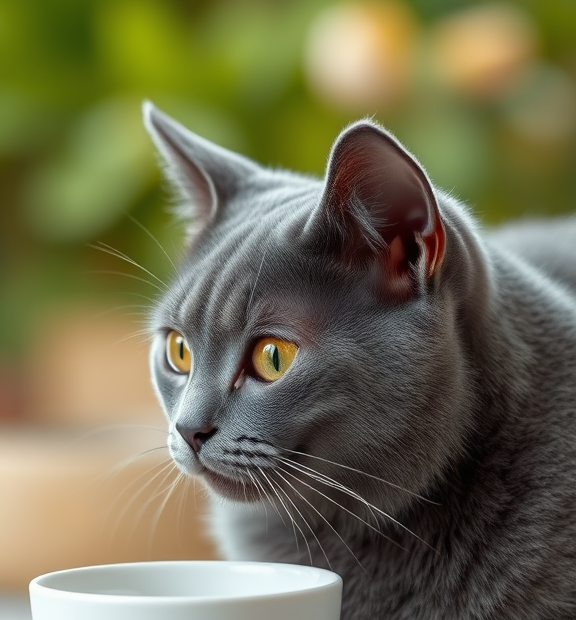
Common Reasons Why Your Russian Blue Cat Isn’t Eating Enough
Health Issues Affecting Appetite in Russian Blue Cats
If you notice that your Russian Blue cat isn’t eating as much as usual, the first factor to consider is their health. Cats are masters at hiding discomfort, so even a mild illness can cause a loss of appetite. Common health issues that reduce eating include dental problems, kidney disease, gastrointestinal infections, and viral illnesses like feline calicivirus.
Dental pain can make chewing uncomfortable, so your cat may avoid food altogether. Look for signs such as bad breath, drooling, or pawing at the mouth. Kidney disease often causes nausea and a decreased desire to eat. If your cat also drinks more water than usual or urinates frequently, it’s wise to have them checked by a veterinarian.
Environmental and Emotional Factors Impacting Eating Habits
Russian Blue cats are known for their sensitivity and can be affected by changes in their environment. Stress from new surroundings, loud noises, or the introduction of new pets or people can reduce their desire to eat. Cats thrive on routine, and even minor disruptions can cause them to skip meals.
Anxiety or depression can also lead to decreased food intake. Pay attention to your cat’s behavior—if they are hiding more than usual or exhibiting changes in activity levels, emotional stress might be the underlying reason.
Food-Related Reasons for Poor Appetite
Feeding habits play a vital role in your cat’s willingness to eat. Here are several food-related causes that could explain why your Russian Blue isn’t eating enough:
- Food Preferences: Russian Blue cats can be picky eaters. If their food has an unappealing odor, texture, or flavor, they might refuse to eat. Experimenting with different high-quality foods or mixing wet and dry options can sometimes spark their interest.
- Sudden Diet Changes: Abruptly switching your cat’s food can upset their stomach or cause confusion, leading to reduced appetite. Introducing new food gradually over a week can ease this transition.
- Spoiled or Stale Food: Cats are sensitive to the freshness of their meals. If food is left out too long or becomes stale, your Russian Blue may avoid eating it. Ensure that their feeding area is clean and food is fresh.
Age-Related Alterations in Eating Behavior
Older cats, including Russian Blues, often experience changes in metabolism and tooth health that affect their eating patterns. As they age, dental issues become more common, making chewing difficult and painful. Additionally, older cats may require food with higher protein and fat content to keep up their energy.
Kittens and young cats can also go through phases of picky eating or reduced appetite, often linked to teething or transitioning from mother’s milk to solid food.
How to Encourage Your Russian Blue to Eat More
Understanding why your Russian Blue isn’t eating enough helps you take effective steps to improve their appetite:
- Visit a Veterinarian: Always consult your vet if your cat suddenly stops eating or shows other signs of illness. Early diagnosis can prevent complications.
- Maintain a Consistent Feeding Routine: Feed your cat at the same times daily and avoid leaving food out too long. Cats appreciate routine and predictability.
- Offer Appealing Food Options: Provide fresh, high-quality cat food that matches their preferences. Warming wet food slightly can enhance its aroma and entice eating.
- Create a Calm Feeding Environment: Reduce stress around meal times by offering food in a quiet, safe area away from loud noises or other pets.
- Monitor Hydration: Ensure your Russian Blue has access to fresh water, as proper hydration supports appetite and digestion.
Signs That Warrant Immediate Attention
If your Russian Blue cat isn’t eating and you observe any of the following signs, seek veterinary care promptly:
- Continuous refusal to eat for more than 24 hours
- Vomiting or diarrhea
- Excessive drooling or signs of mouth pain
- Weight loss or lethargy
- Changes in behavior such as hiding or aggression
Ignoring these signs can lead to serious health issues like hepatic lipidosis, a dangerous liver condition commonly triggered by prolonged anorexia in cats.
Building a Stronger Bond Through Feeding
Feeding time offers a perfect opportunity to bond with your Russian Blue. Use gentle encouragement, petting, and positive reinforcement to make meal times enjoyable. If you keep an eye on their eating habits and remaining patient with their preferences, you help ensure your cat stays healthy and happy.
By carefully observing your Russian Blue cat’s eating behavior and responding to their needs, you can address the underlying reasons behind their poor appetite. A combination of medical care, environmental adjustments, and appealing food choices will often restore a healthy appetite in these graceful and sensitive felines.
Practical Steps to Encourage Healthy Eating Habits in Your Russian Blue Cat
Understanding Your Russian Blue’s Dietary Preferences
Russian Blue cats are known for their elegant looks and gentle disposition, but they can also be quite particular about their food. Encouraging healthy eating habits in your Russian Blue starts with understanding that they might be picky eaters. This breed often prefers fresh, high-quality ingredients and may reject foods that don’t meet their taste or texture expectations.
To promote healthy eating, observe how your cat reacts to different food types. Some Russian Blues favor wet food due to its aroma and moisture content, while others might enjoy dry kibble. Knowing these preferences helps you tailor mealtime options that appeal to your cat’s palate, making it easier to maintain a balanced diet.
Creating a Consistent Feeding Routine
Just like humans, cats thrive on routine. Establishing a regular feeding schedule can make your Russian Blue feel secure and encourage steady eating habits. Provide meals at the same times every day rather than free-feeding, which often leads to overeating or nonchalance toward food. Typically, feeding your cat twice a day—once in the morning and once in the evening—works well.
Consistency reinforces expectations, so your cat will learn to anticipate mealtimes, boosting their appetite. Additionally, after about 20-30 minutes of feeding, remove any uneaten food. This practice discourages picky nibbling and stimulates hunger for the next scheduled meal.
Offering Nutrient-Rich, Balanced Meals
Your Russian Blue needs a diet that meets its specific nutritional demands. High-protein content from quality animal sources like chicken, turkey, or fish is essential for maintaining lean muscles and overall health. Include moderate amounts of fats for energy and ignore fillers or excessive carbohydrates that don’t provide much nutritional value.
Commercial cat foods labeled specifically for adult cats or those approved by veterinary standards can be trusted. Make sure the food includes vital vitamins and minerals such as taurine, which supports heart and eye health. When changing diets or trying new foods, do so gradually over a week to avoid digestive upset.
The Importance of Fresh Water and Hydration
A Russian Blue that drinks enough water is more likely to have a healthy appetite. Never underestimate the power of hydration in encouraging consistent eating habits. Provide fresh water every day, preferably in a clean ceramic or stainless steel bowl, as plastic containers often retain odors that deter some cats.
Some cats enjoy drinking from pet fountains, which keep water flowing and oxygenated, enticing your pet to drink more. Wet food also helps with hydration since its moisture content is high. Sufficient hydration supports digestion and makes food more appealing to your Russian Blue.
Creating an Inviting Feeding Environment
The place where your cat eats influences its desire to eat. Choose a quiet, comfortable spot free from distractions like loud noises, busy foot traffic, or other pets vying for attention. A peaceful environment encourages your Russian Blue to focus on eating without stress or anxiety.
Keep food and water bowls clean and use separate bowls for both. Cats are sensitive to smells, so washing feeding dishes regularly prevents any leftover odors that might discourage eating. Adjust the height of food dishes if your cat is older or has joint issues, promoting ease of access.
Encouraging Appetite With Tasty Enhancements
If your Russian Blue is reluctant to eat, try enhancing the flavor or texture of the food. Adding a small amount of warm water or low-sodium chicken broth to canned food can create appealing aromas and soften the meal. This makes it more palatable, especially if your cat prefers moist textures.
You can also offer healthy treats such as small pieces of cooked chicken or tuna to stimulate interest in food. However, be cautious not to overfeed treats, as this can reduce the hunger and motivation to eat meals. Variety is also important, so occasionally changing flavors and brands keeps your cat interested without overwhelming their digestive system.
Monitoring Health and Adjusting Diet as Needed
Sometimes, reduced appetite in a Russian Blue signals underlying health issues such as dental problems, gastrointestinal disturbances, or stress. Watch for symptoms like vomiting, lethargy, or weight loss. Consult your veterinarian promptly if you notice such changes, as professional advice is critical for long-term success.
Work with your vet to explore specialized diets or supplements if necessary. Regular health checkups will help detect early problems and maintain your cat’s interest and comfort in eating. A thriving Russian Blue with healthy eating habits is a happier companion and benefits greatly from your attentive care.
Conclusion
When your Russian Blue cat isn’t eating enough, understanding the root causes is key to ensuring their health and happiness. Common reasons like stress, changes in environment, dental problems, or illness can all affect their appetite. Recognizing these factors helps you act quickly and compassionately, preventing minor issues from turning into serious health concerns.
Encouraging healthy eating habits requires patience and a thoughtful approach. Offering a variety of nutritious foods, maintaining a consistent feeding schedule, and creating a calm, inviting mealtime environment can make a big difference. Don’t overlook the importance of regular vet check-ups to catch any underlying medical conditions early. Simple changes, like warming their food or hand-feeding during tougher times, can also spark their interest and ensure they get the nutrients they need.
Remember, your Russian Blue cat relies on you for care and comfort. By paying close attention to their behavior and appetite, you can provide the support they need to thrive. Taking these practical steps not only promotes better eating habits but also strengthens the bond between you and your feline friend, making mealtimes a positive experience for both of you. If your cat continues to refuse food despite your efforts, reach out to a veterinarian to rule out any serious health issues. Your proactive care is the best path to keeping your Russian Blue happy, healthy, and well-fed.