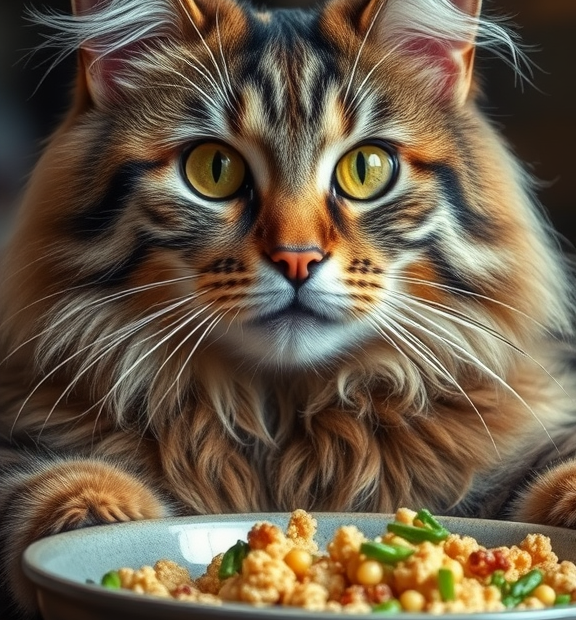
How to Identify and Solve Common Cat Eating Problems in Maine Coons
Recognizing Eating Problems in Your Maine Coon
Maine Coons are known for their large size and friendly disposition, making them a favorite among cat owners. However, just like people, well-being starts with good nutrition, and eating problems can affect their health significantly. Knowing how to spot issues early can make a huge difference in giving your Maine Coon the best care possible.
Common signs that your Maine Coon may have an eating problem include:
- Reduced appetite: If your cat suddenly shows little interest in food, it might signal pain, stress, or illness.
- Difficulty chewing or swallowing: Watch for signs like dropping food, pawing at the mouth, or excessive drooling.
- Vomiting or regurgitation: Frequent episodes may indicate digestive problems or food intolerance.
- Weight loss or slow growth: This can occur if the cat isn’t absorbing enough nutrients from their food.
- Excessive begging or overeating: Sometimes, behavioral issues cause cats to eat too much or too quickly.
Maine Coons have unique traits that can sometimes mask eating issues. Their thick fur may conceal weight loss or mouth problems, so regular physical checks become vital.
Common Causes Behind Cat Eating Problems
There are various reasons why your Maine Coon might be having trouble eating properly. Understanding these can help you take the right steps to solve the problem:
Dental Issues
Cats suffering from tooth decay, gingivitis, or broken teeth will avoid chewing hard food. Dental pain is often overlooked, but it plays a huge role in a cat’s willingness to eat. Maine Coons, given their size, may also be prone to tartar buildup requiring professional cleaning.
Health Conditions
Digestive tract infections, kidney disease, or even diabetes can affect appetite and digestion. These need veterinary diagnosis and treatment but may start with the observation of eating changes.
Food Preferences and Texture Sensitivity
Maine Coons can be picky eaters. They may dislike dry kibble or certain flavors. Some cats prefer wet or pate-style foods that are easier to chew and digest.
Stress and Environment
Changes like moving homes, new pets, or even loud noises can stress your cat, leading to decreased food intake or overeating in some cases.
Practical Steps to Improve Your Maine Coon’s Eating Habits
Helping your Maine Coon enjoy their meals starts with understanding their specific issues and tailoring solutions.
Step 1: Schedule a Veterinary Checkup
If you notice eating problems, book a vet appointment immediately. The vet will perform a thorough exam, including dental checks and possibly blood tests, to identify any health concerns.
Step 2: Choose the Right Food
Once health problems are ruled out or addressed, focus on food quality:
- Opt for high-protein, natural ingredients: Maine Coons need nutrient-dense diets to support their muscular bodies.
- Try wet food or moisten dry food: This can be easier to eat, especially for cats with teeth sensitivity.
- Consider texture and flavor: Rotate flavors or brands to keep mealtime interesting and appealing.
Step 3: Create a Calm Eating Environment
Designate a quiet, comfortable space for feeding away from loud noises or other pets. A peaceful setting helps reduce stress and encourages regular eating habits.
Step 4: Monitor and Adjust Portions
Obesity can be a hidden problem if your cat overeats out of boredom or anxiety. Control portion sizes according to the vet’s recommendations and monitor weight regularly.
Step 5: Encourage Slow Eating
If your Maine Coon gulps food too fast, it can cause vomiting and indigestion. Use puzzle feeders or place food in shallow dishes to slow down their eating pace.
Signs Your Efforts Are Working
You’ll know that you’re fixing the eating problems when you notice:
- Steady weight gain or maintenance within a healthy range.
- More consistent, happy mealtime behavior.
- Regular, well-formed stools indicating good digestion.
- Improved dental health and less oral discomfort.
Preventing Future Feeding Issues
Prevention is always better than cure. These tips help maintain your Maine Coon’s eating well-being long term:
- Regular dental checkups and cleanings.
- Consistent feeding schedules to build routine.
- Balanced diet customized to your cat’s age, weight, and health.
- Plenty of fresh water availability.
- Monitoring behavior changes that might indicate emerging problems.
Making mealtimes enjoyable and nutritious ensures your Maine Coon lives a healthier, happier life. Don’t ignore those subtle signs of eating trouble—act now, and your furry friend will thank you with purrs and affection at every meal!
Nutritional Tips for Upgrading Your Maine Coon’s Meals for Better Health
Your Maine Coon is a magnificent feline known for its impressive size and luxurious fur, but to keep them at their best, quality nutrition is key. The meals you provide directly impact their health, energy, and coat condition. Often, cat owners unknowingly underfeed or offer inappropriate food that doesn’t meet the specific nutritional requirements of this breed. Upgrading your Maine Coon’s meals with the right nutrients can solve common feeding problems and lead to a happier, healthier pet.
Understanding the Unique Dietary Needs of Maine Coons
Maine Coons are one of the largest domestic cat breeds. Their large frame means they need more calories and balanced nutrition than average cats. Simply feeding standard cat food may leave their diet lacking essential proteins and fats necessary for muscle maintenance and energy. It’s also crucial to consider their activity level and any health concerns that may require dietary adjustments.
One major mistake is feeding too much carbohydrate-heavy kibble, which can lead to obesity—a common problem in indoor cats and large breeds like the Maine Coon. Instead, high-quality proteins derived from animal sources should be the foundation of every meal. Ingredients like chicken, turkey, fish, and beef supply essential amino acids that boost immune function and keep muscles strong.
Key Nutrients to Include in Your Maine Coon’s Diet
To truly upgrade your Maine Coon’s meals, focus on these nutritional components:
- Animal-Based Protein: Aim for at least 40-45% protein content to support their large muscular frame.
- Healthy Fats: Omega-3 and Omega-6 fatty acids enhance skin health and produce that signature shiny coat.
- Taurine: An essential amino acid critical for heart and eye health, which cats cannot produce on their own.
- Vitamins and Minerals: Balanced vitamins like A, D, and E, plus minerals such as calcium and phosphorus, help maintain strong bones and overall well-being.
- Hydration: Maine Coons naturally prefer wet food, which provides additional moisture and supports kidney and urinary tract health.
Strategies to Fix Feeding Issues Effectively
If your Maine Coon is a picky eater or has developed poor eating habits, it’s time to revamp their feeding routine. Here are some effective steps:
- Choose High-Quality Commercial Foods: Look for grain-free, high-protein canned or dry foods made for large breeds. Avoid fillers, artificial additives, and by-products.
- Introduce Raw or Fresh Foods: Consult your vet about incorporating raw or lightly cooked meats to replicate a natural diet. Fresh foods also stimulate appetite and digestion.
- Feed Smaller, Frequent Meals: Instead of one large serving, break food into multiple smaller portions throughout the day to keep metabolism active.
- Remove Unhealthy Snacks: Avoid feeding table scraps or treats that contain excessive carbohydrates or harmful ingredients.
- Use Puzzle Feeders: Engage your Maine Coon mentally and physically by making mealtime a stimulating activity, which can encourage better eating habits.
Improving Digestive Health Through Meal Upgrades
A well-planned diet not only supports muscle and coat but also aids good digestion. Maine Coons can be sensitive to dietary changes and prone to digestive upset if their meals are poor. Adding prebiotics and probiotics can help balance gut flora, improve nutrient absorption, and minimize issues like hairballs and constipation.
Additionally, choosing foods rich in fiber but low in fillers supports healthy stool formation. Fiber also promotes a feeling of fullness, preventing overeating. Always introduce new foods slowly to avoid stomach upset and watch how your cat responds.
Customizing Meals Based on Age and Activity
Maine Coons have different dietary needs depending on their stage of life. Kittens require nutrient-dense, protein-rich food to support rapid growth. Adult cats need balanced maintenance food with moderate calories to prevent weight gain. Senior Maine Coons benefit from meals formulated to protect joint health and maintain kidney function, often rich in antioxidants and lower in phosphorus.
Consider your cat’s activity level too. If your Maine Coon is more active, increasing protein and fat slightly can recharge them. Less active cats may do better with leaner meal options to avoid excess weight. Tailoring the diet ensures they receive optimal nutrition without overfeeding.
Small Changes Yield Big Benefits
Upgrading your Maine Coon’s meals doesn’t mean completely overhauling their eating habits overnight. Gradual improvements such as swapping low-quality food for premium protein meals and incorporating moisture-rich wet food will make a noticeable difference. You will likely see improvements in energy levels, coat shine, digestion, and overall happiness.
Remember, a better meal plan means a better quality of life. You want to provide your Maine Coon with meals that respect their natural diet and unique needs. By thoughtfully choosing what and how you feed them, you fix many common cat eating problems and give your feline friend the nutrition they truly deserve.
Your Maine Coon’s health depends on what’s in their food bowl. It’s time to make the switch and upgrade their meals today for a stronger, healthier companion tomorrow.
Conclusion
Your Maine Coon deserves meals that fuel their vibrant personality and support their robust health. By recognizing common eating problems—such as picky eating, overfeeding, or digestive issues—you take the first crucial step toward improving their diet and overall well-being. Observing your cat closely and responding to their unique needs can prevent discomfort and nutritional gaps that affect their quality of life.
Upgrading your Maine Coon’s meals goes beyond just choosing any cat food; it means selecting nutrient-rich options tailored for their large size and active nature. Incorporate high-quality proteins, healthy fats, and essential vitamins to promote strong muscles, a shiny coat, and steady energy levels. Remember, balanced nutrition plays a direct role in preventing health concerns like obesity and urinary tract problems common in Maine Coons.
By addressing eating challenges early and enhancing their daily meals, you ensure your feline friend stays happy, healthy, and full of life. This not only strengthens your bond but also gives your Maine Coon the diet they truly deserve. Take action today—small changes in feeding habits can make a big difference in your cat’s health and happiness. Your Maine Coon will thank you with purrs, playful energy, and years of companionship.